

Cultivating Ancestral Wisdom for Future Generations
Educational Initiatives
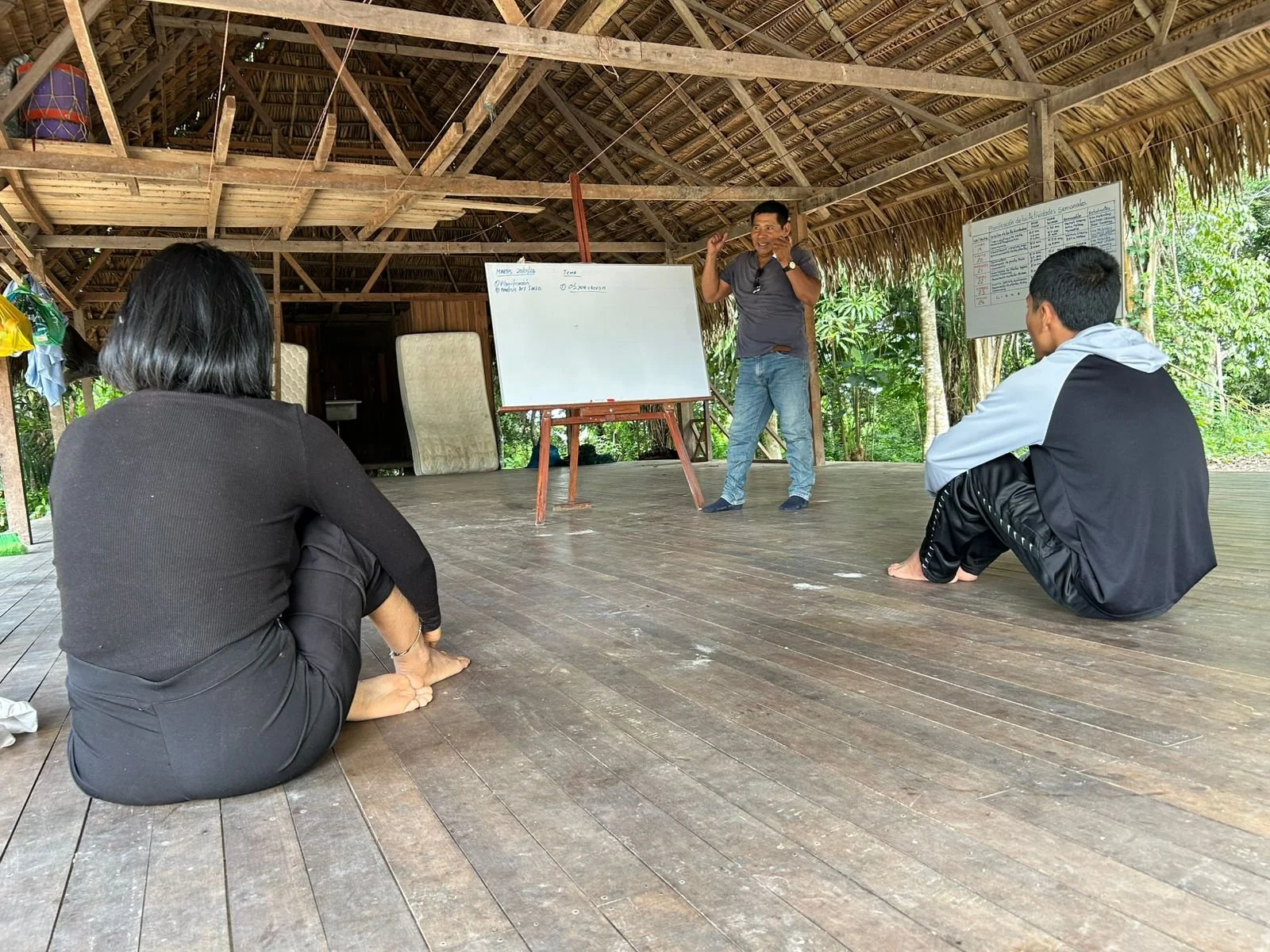
At Pacha Nishi, our Educational Initiatives are dedicated to fostering the continuity of Shipibo-Konibo ancestral wisdom and ensuring its vibrant transmission from elders to future generations.
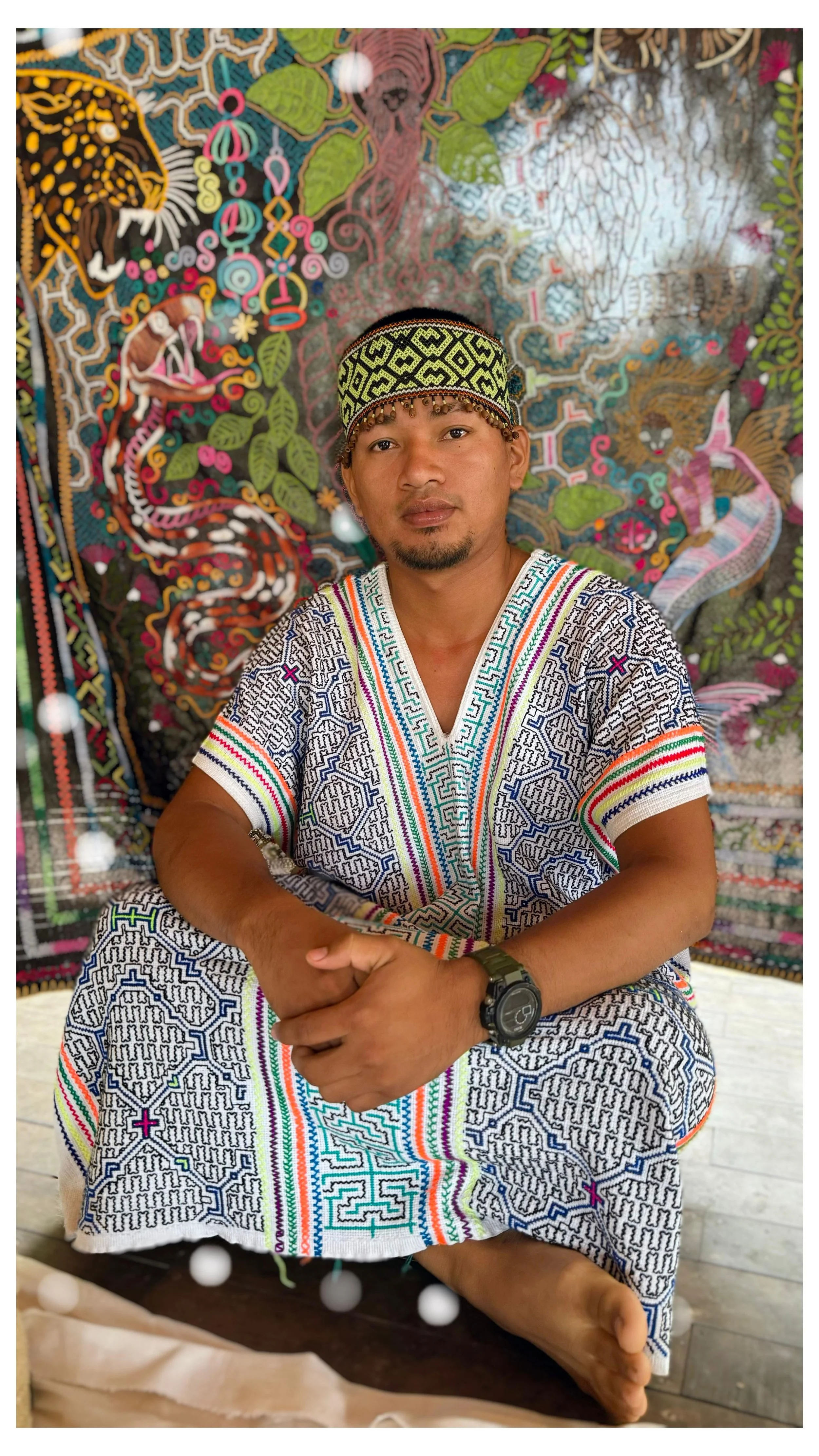
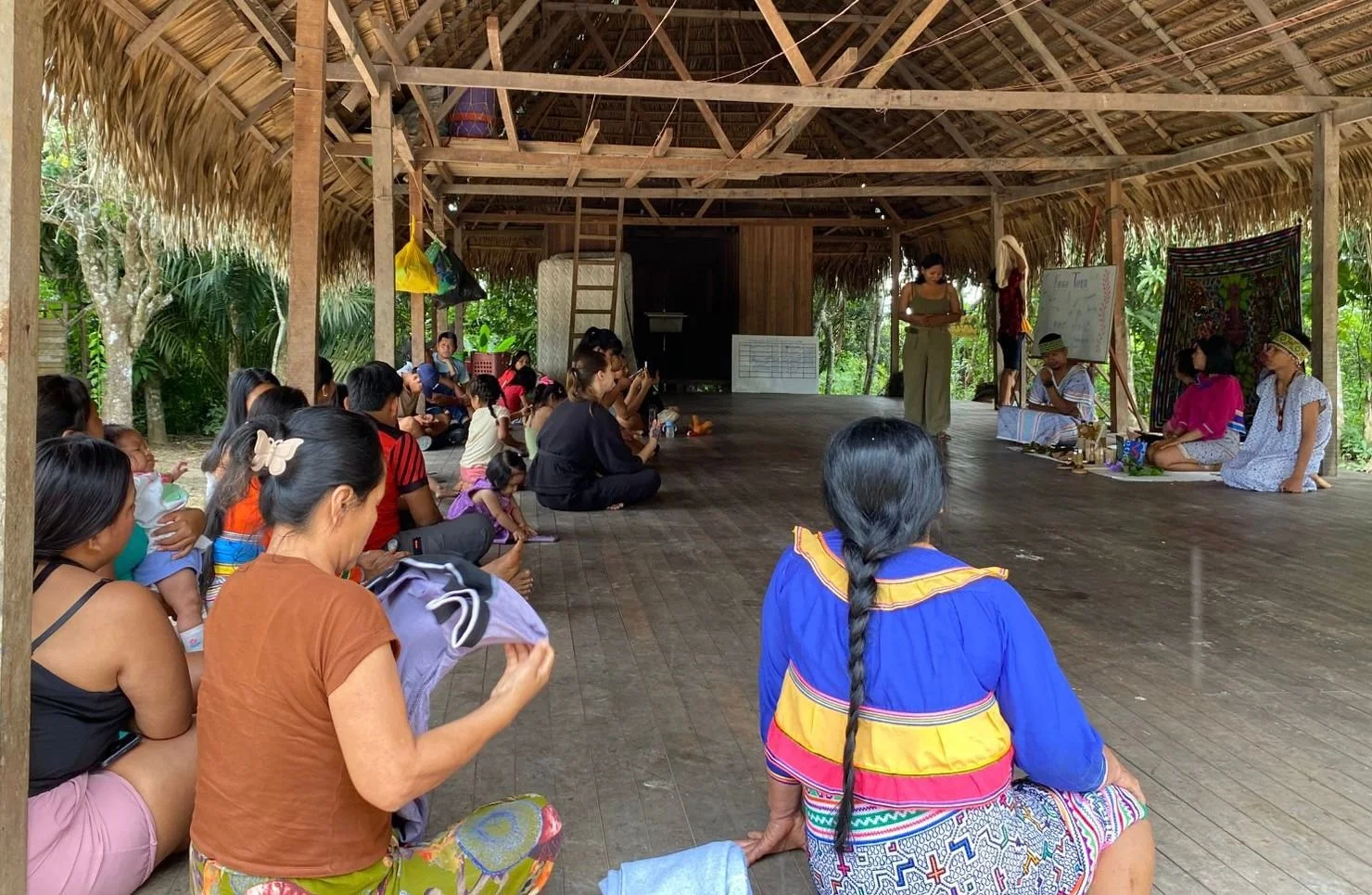
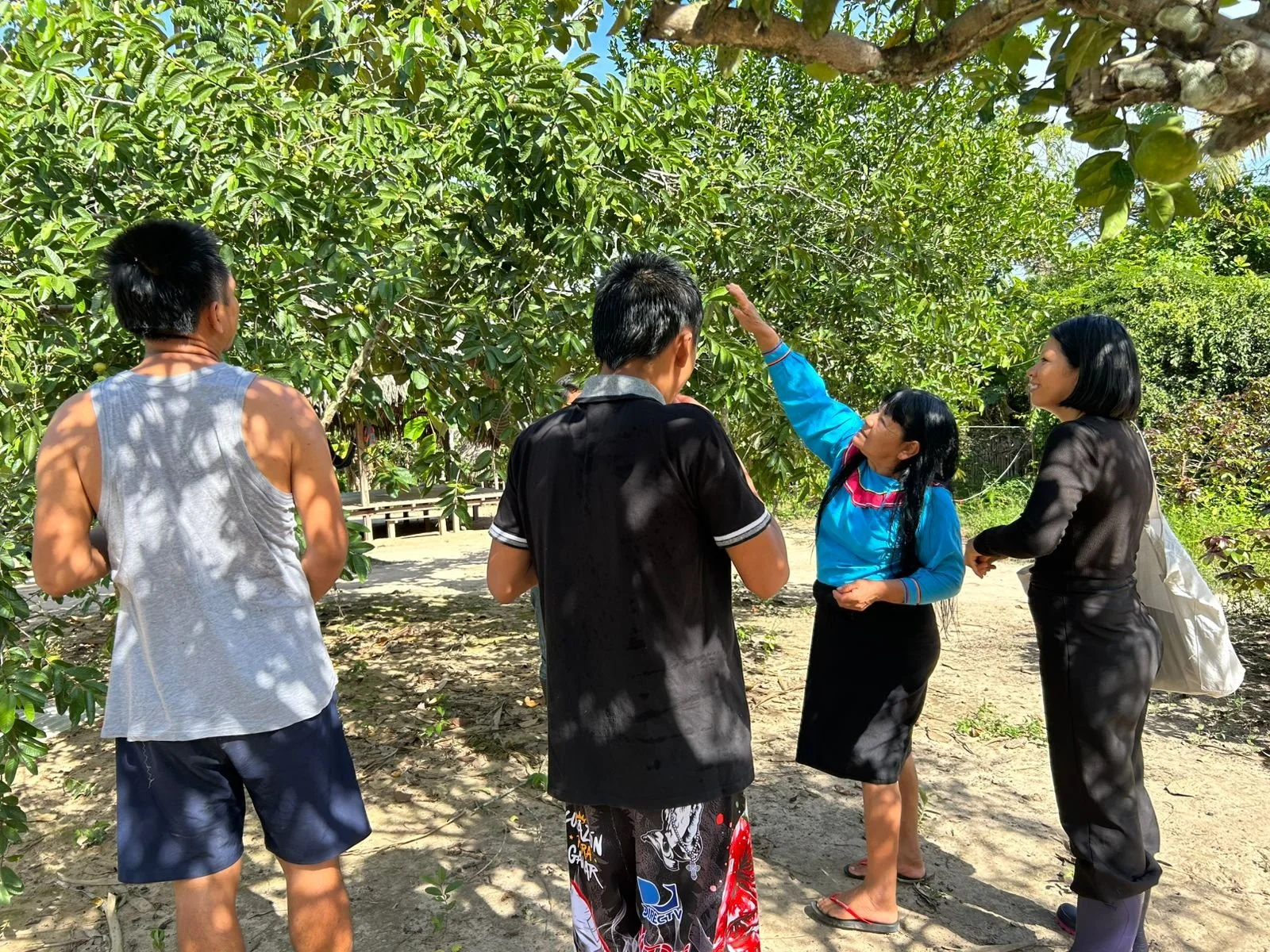
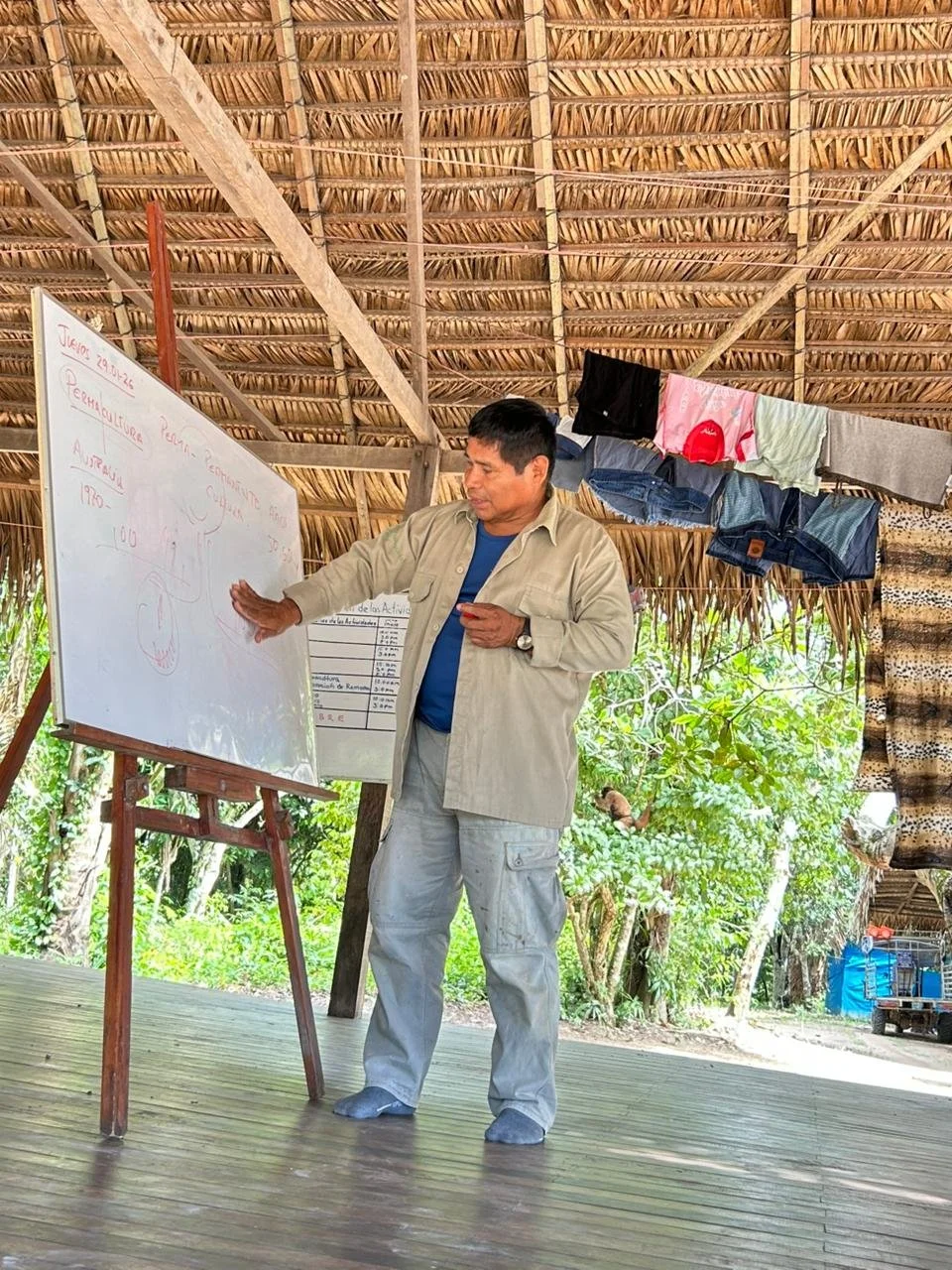
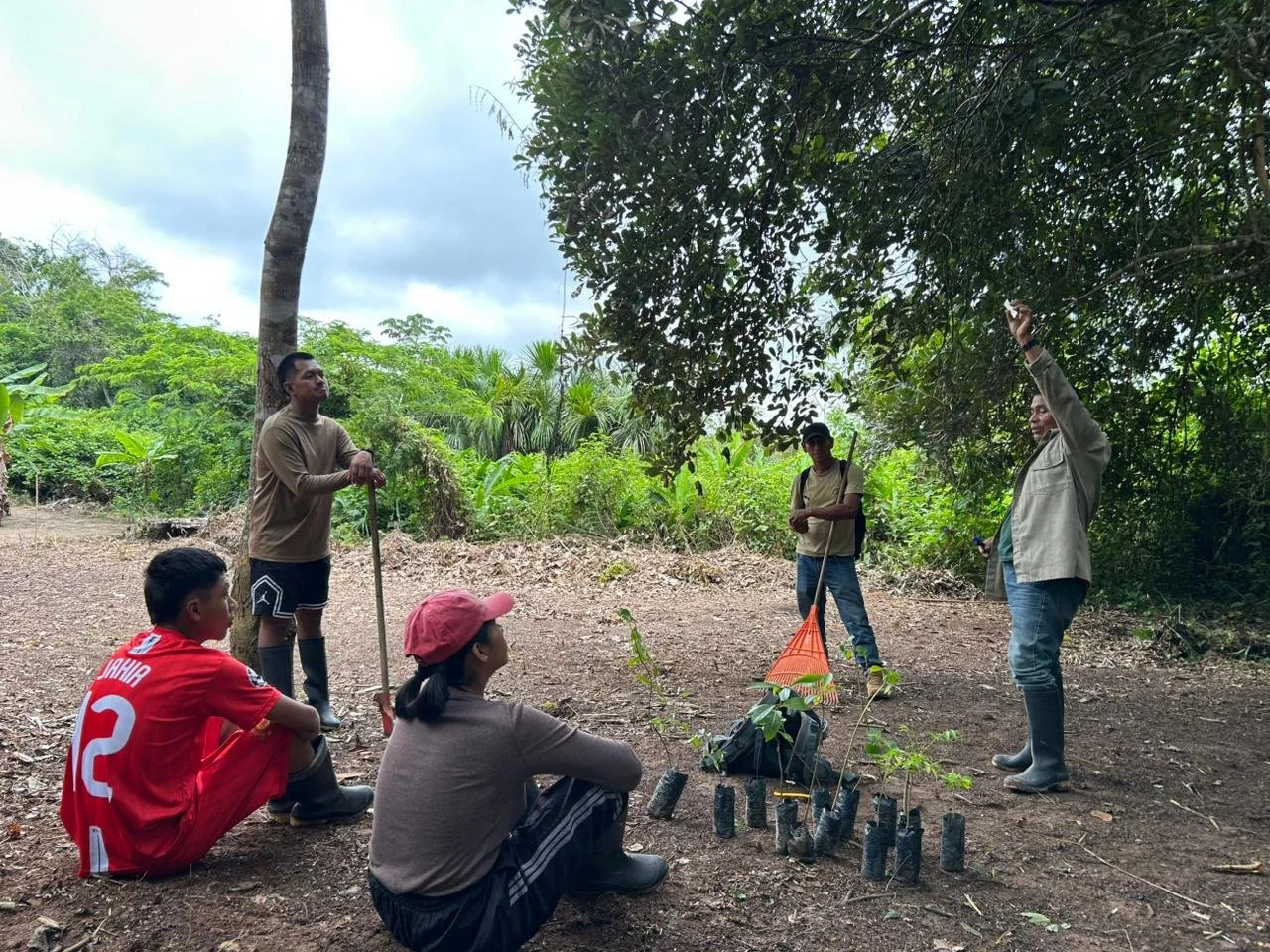
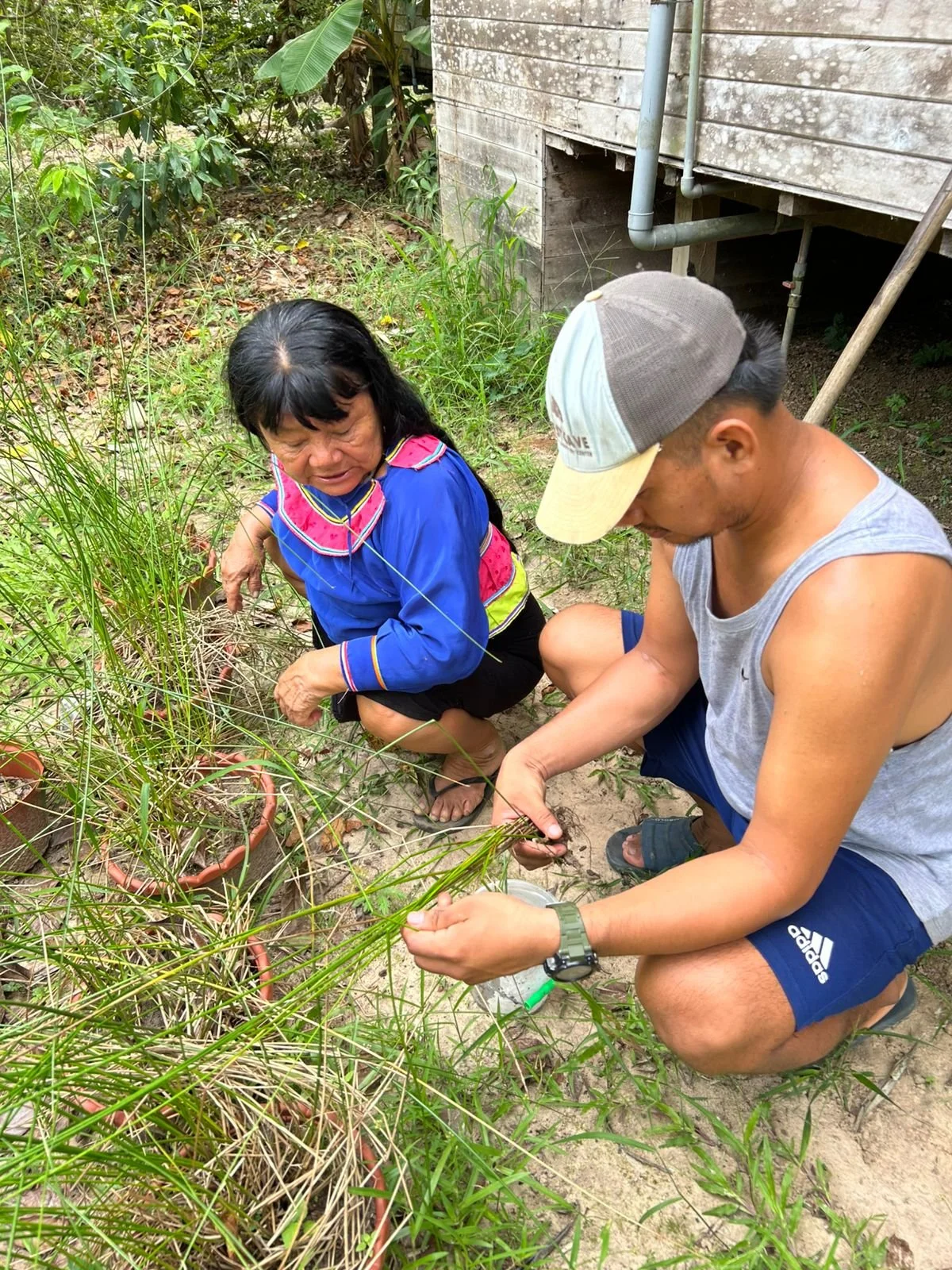
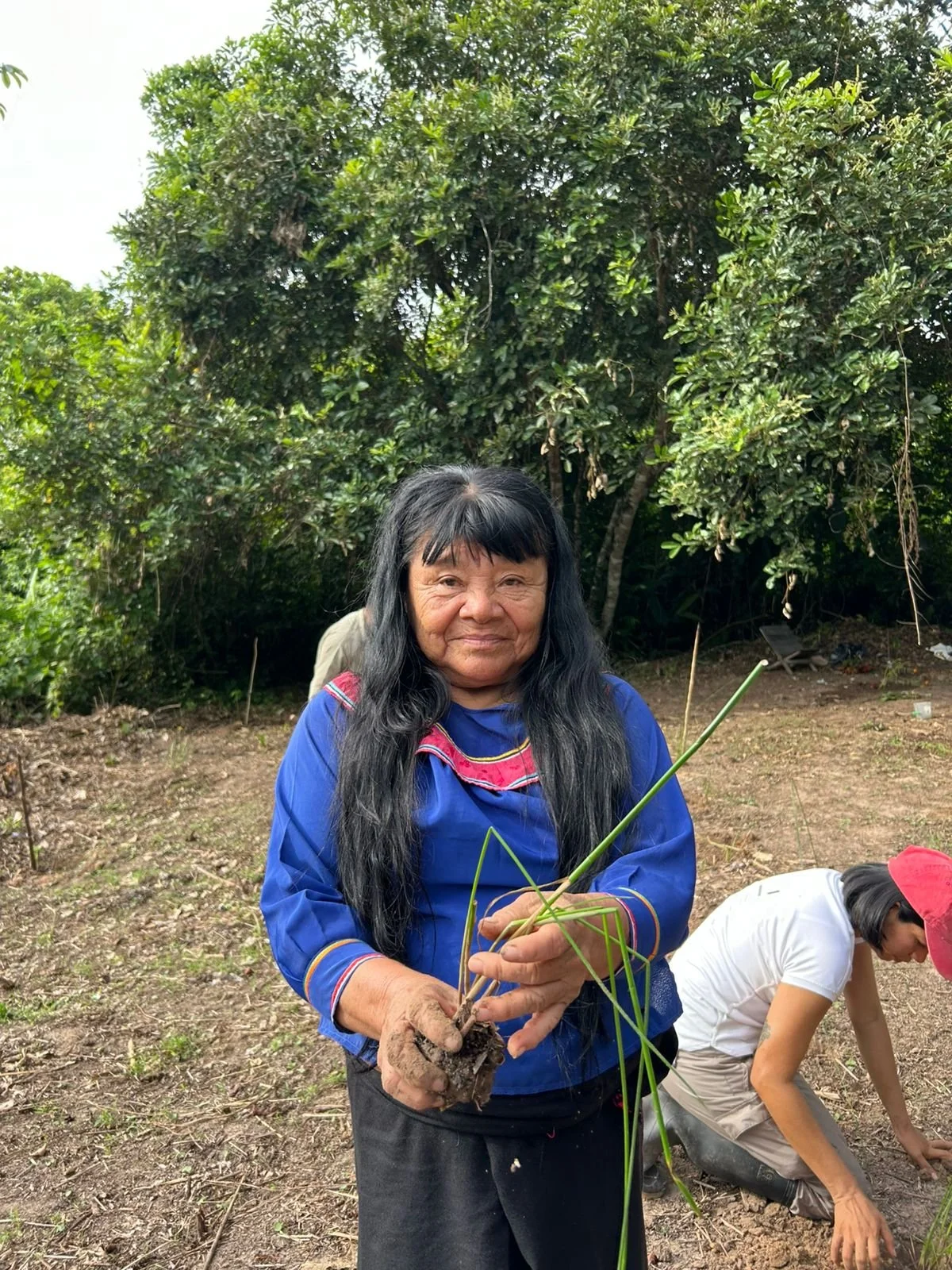
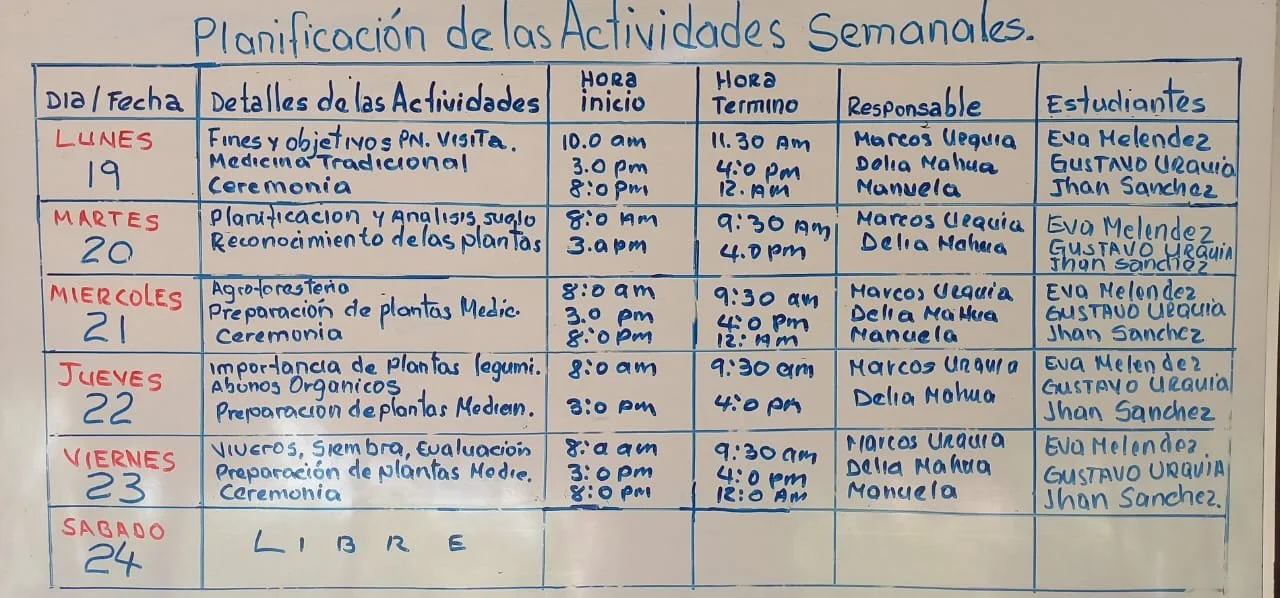
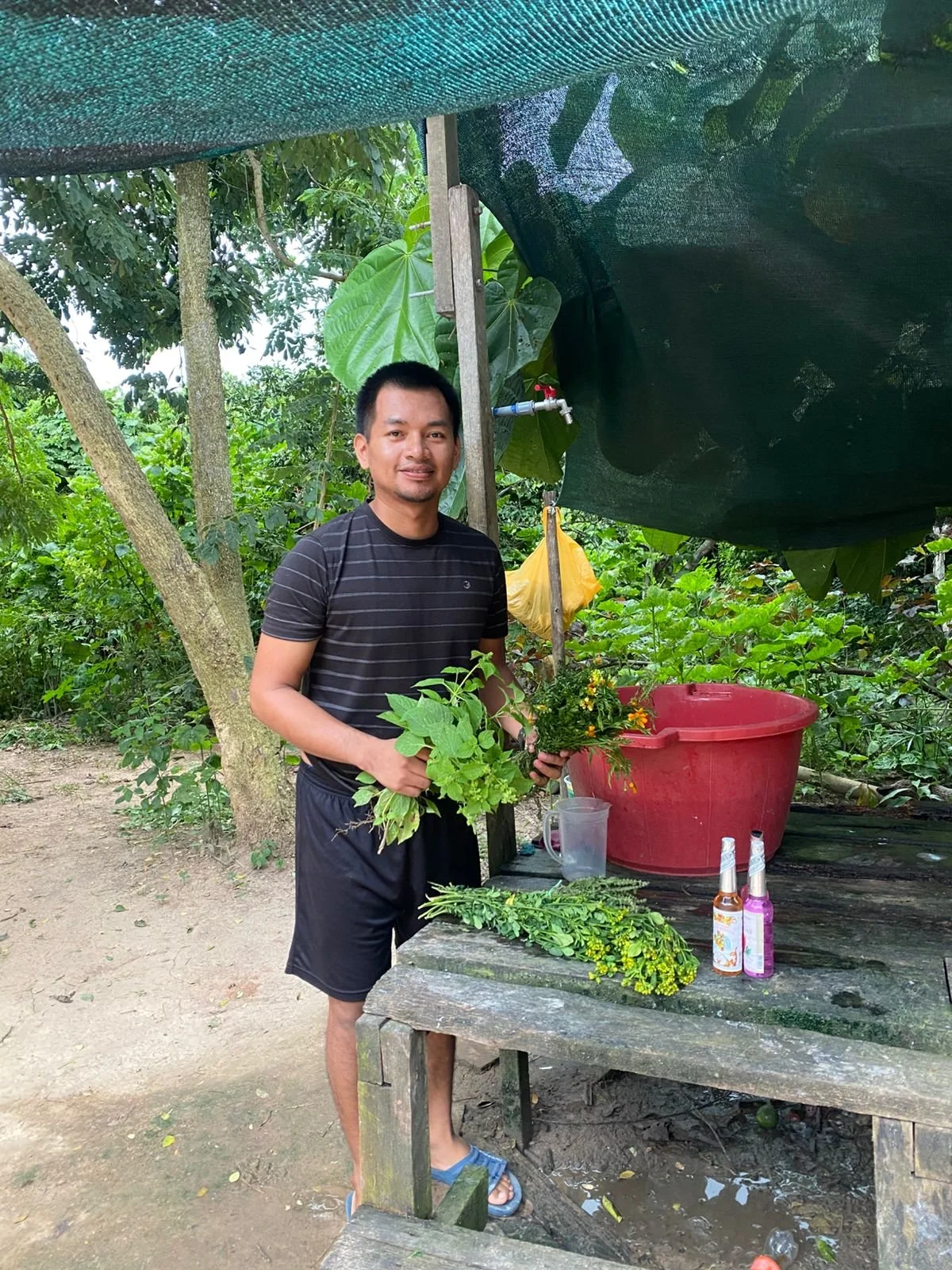
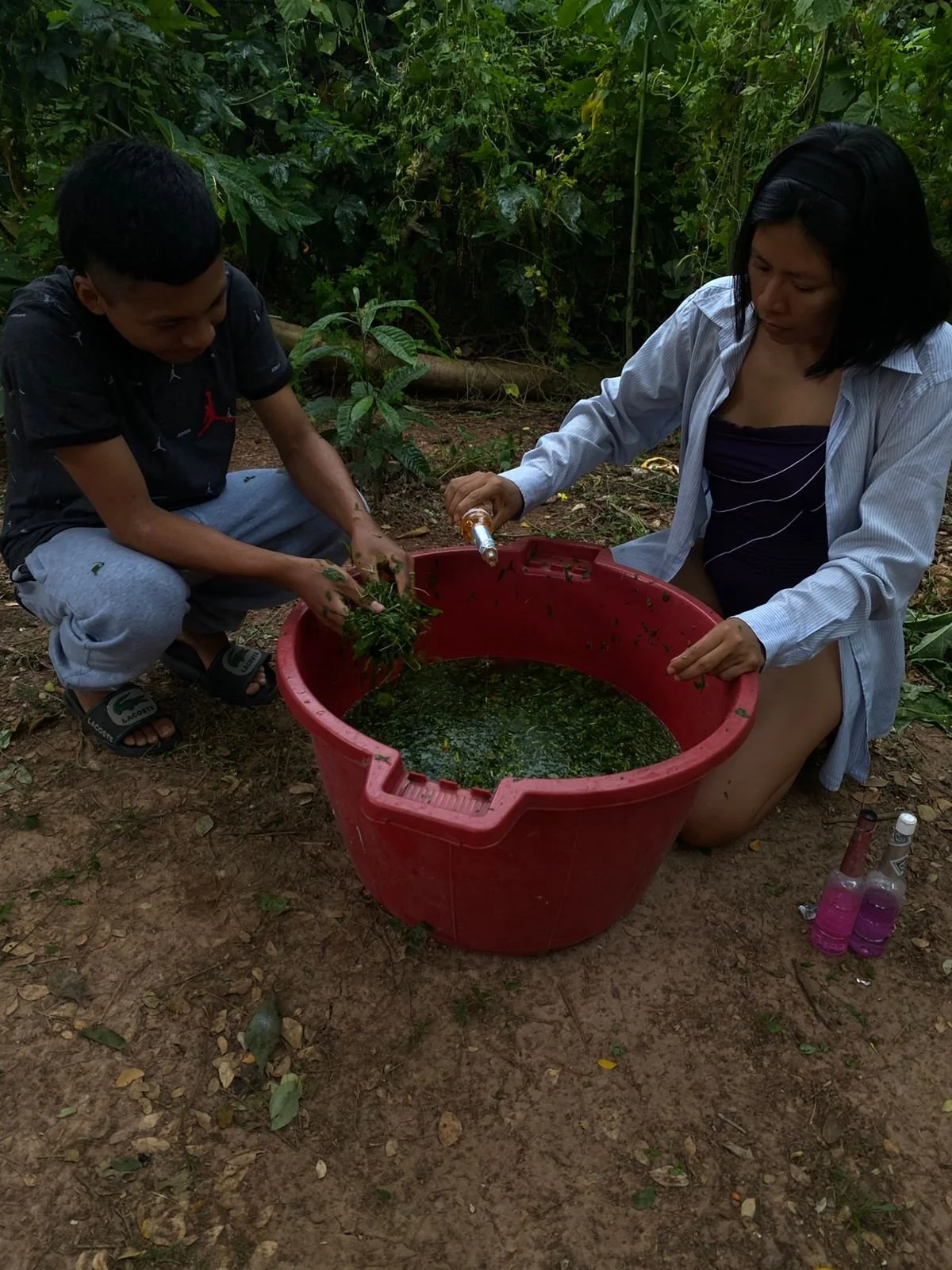
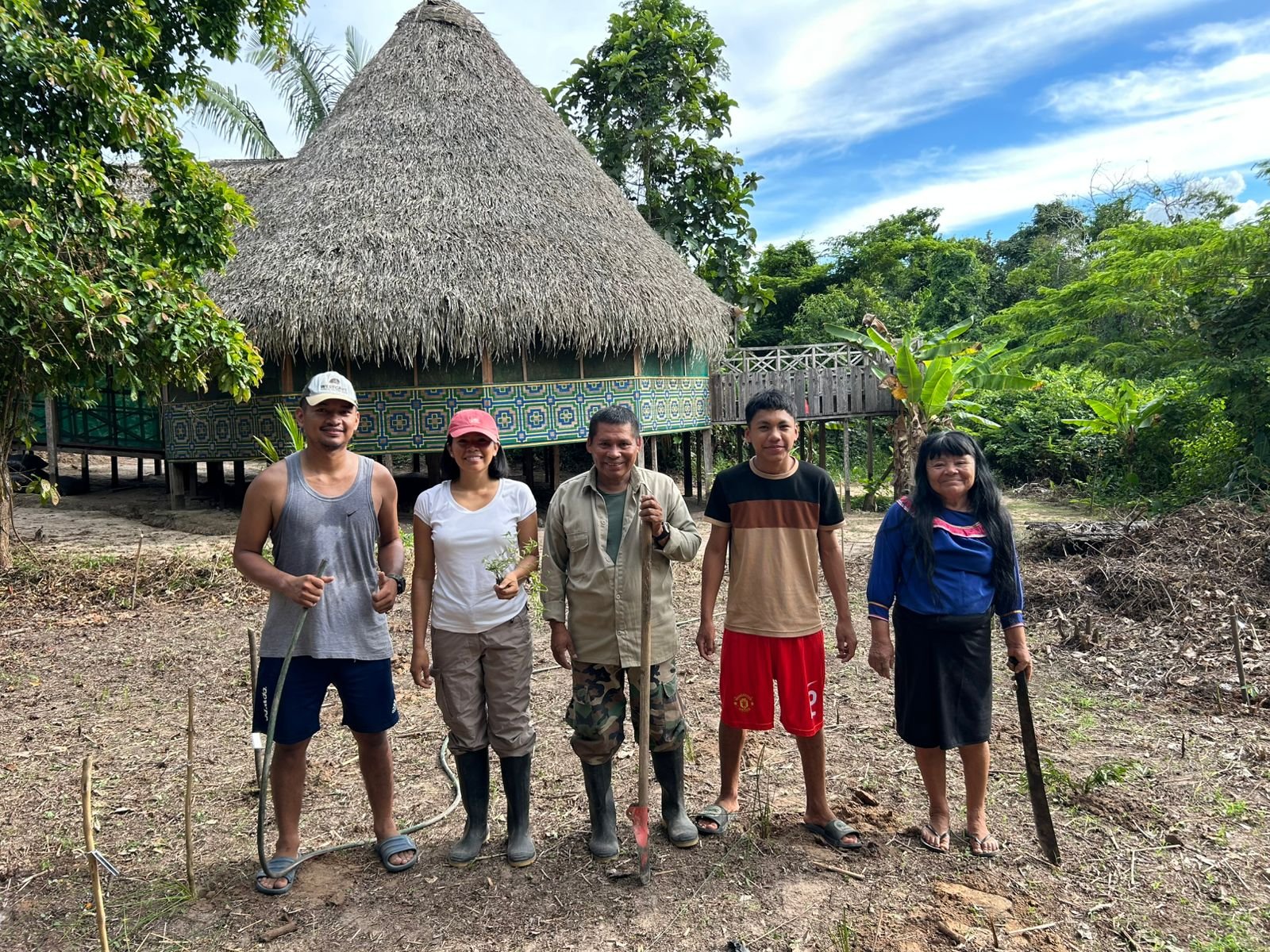
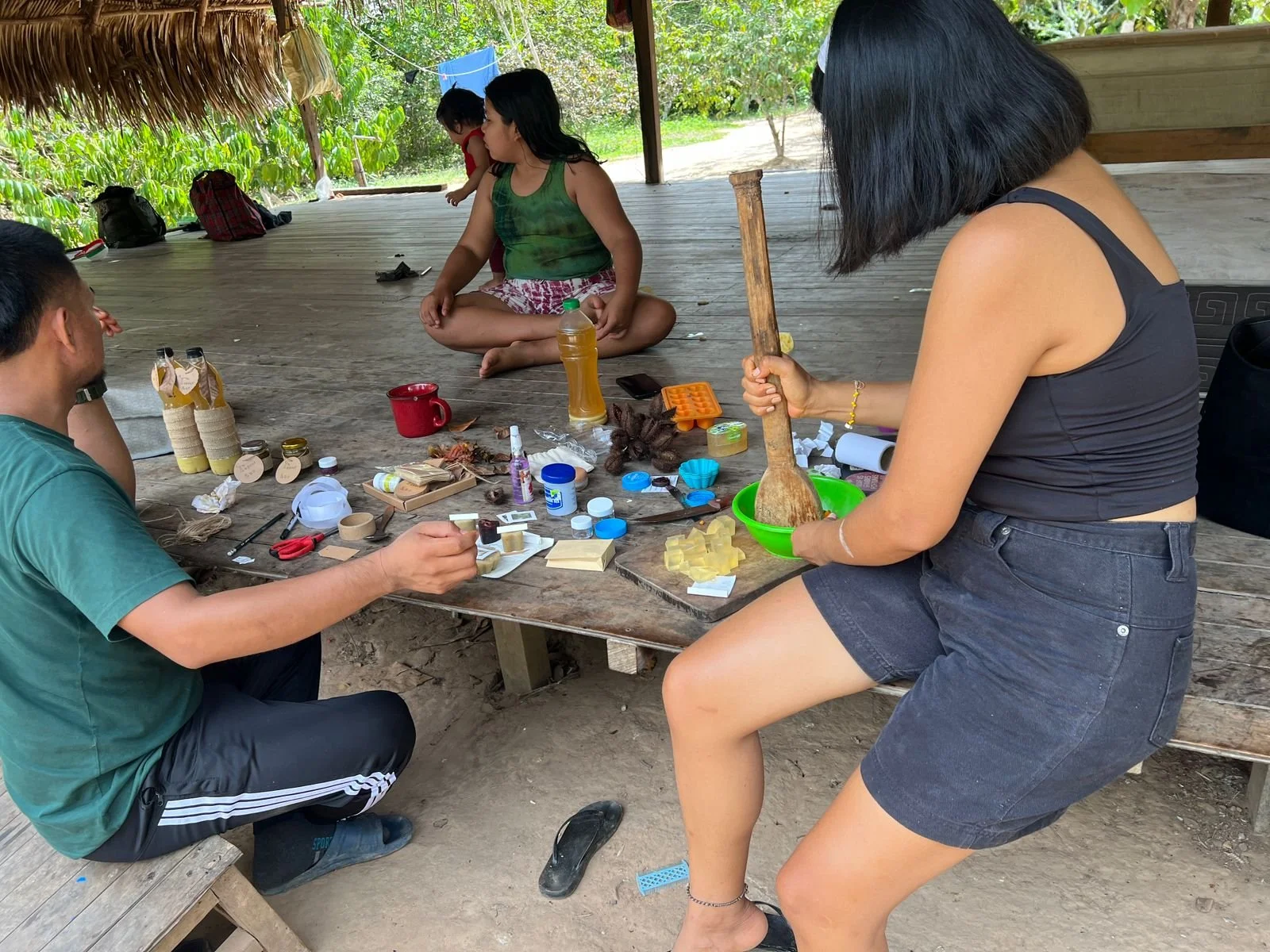
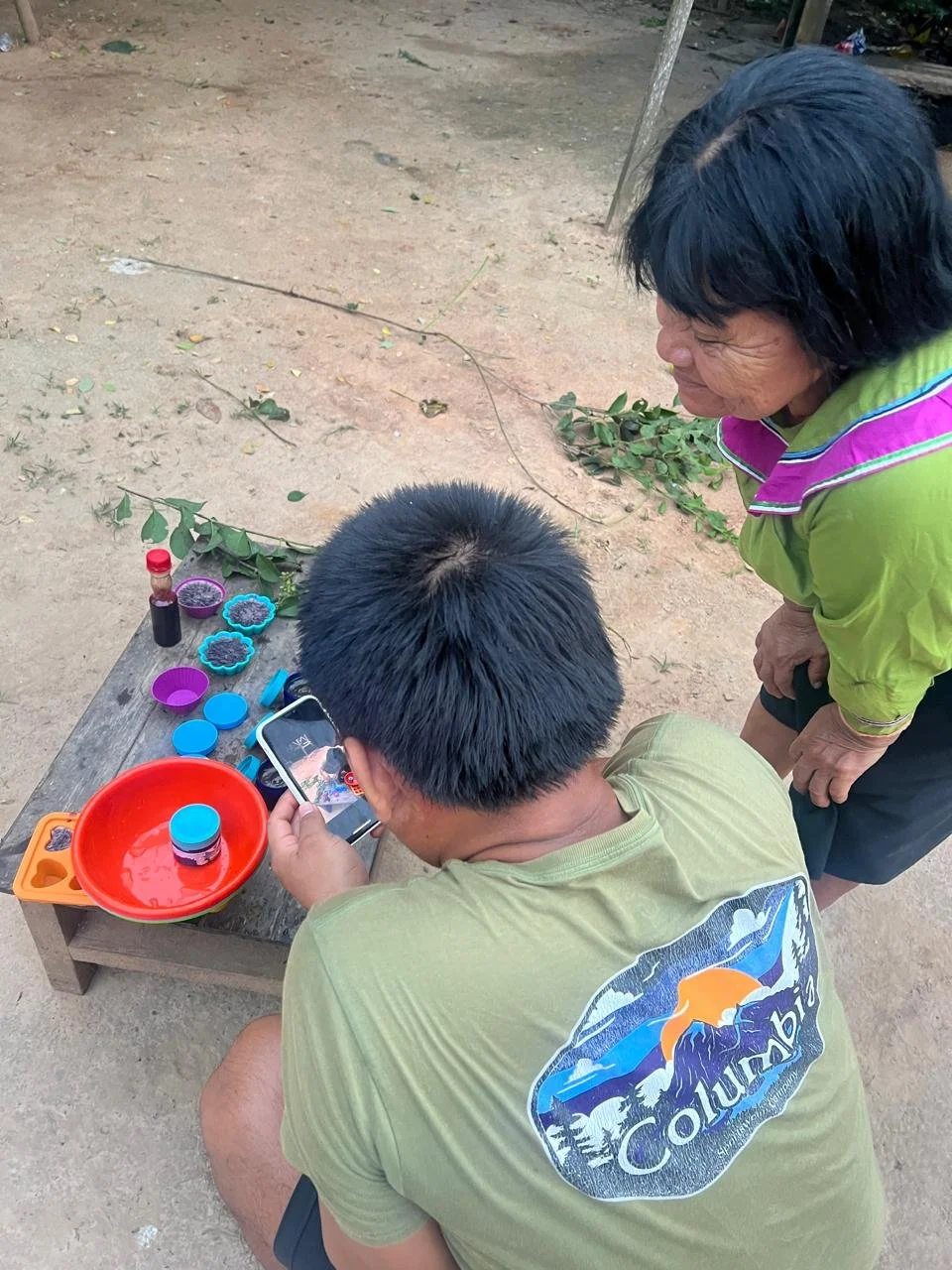
Central to this endeavor is the Axeti Nete Koshi Tapon (Strong Root Apprenticeship), a transformative program that welcomes Shipibo-Konibo youth to study with elders and Indigenous experts through immersive workshops about regenerative agriculture, preparations of traditional remedies and medicines, language, and ancestral songs and practice.
In collaboration with the Coe Lab at Tarleton State University, Pacha Nishi also weaves together traditional ecological knowledge with contemporary scientific inquiry, creating pathways for Indigenous youth to receive mentorship and academic credentials from a reputable US-based university
Support the Future of Indigenous Wisdom
Your support is crucial in sustaining these vital educational initiatives. By donating to Pacha Nishi, you directly contribute to student scholarships, honorariums for elder teachers, and the resources needed to expand the Koshi Tapon program and foster the next generation of Shipibo cultural guardians.
The Koshi Tapon Apprenticeship
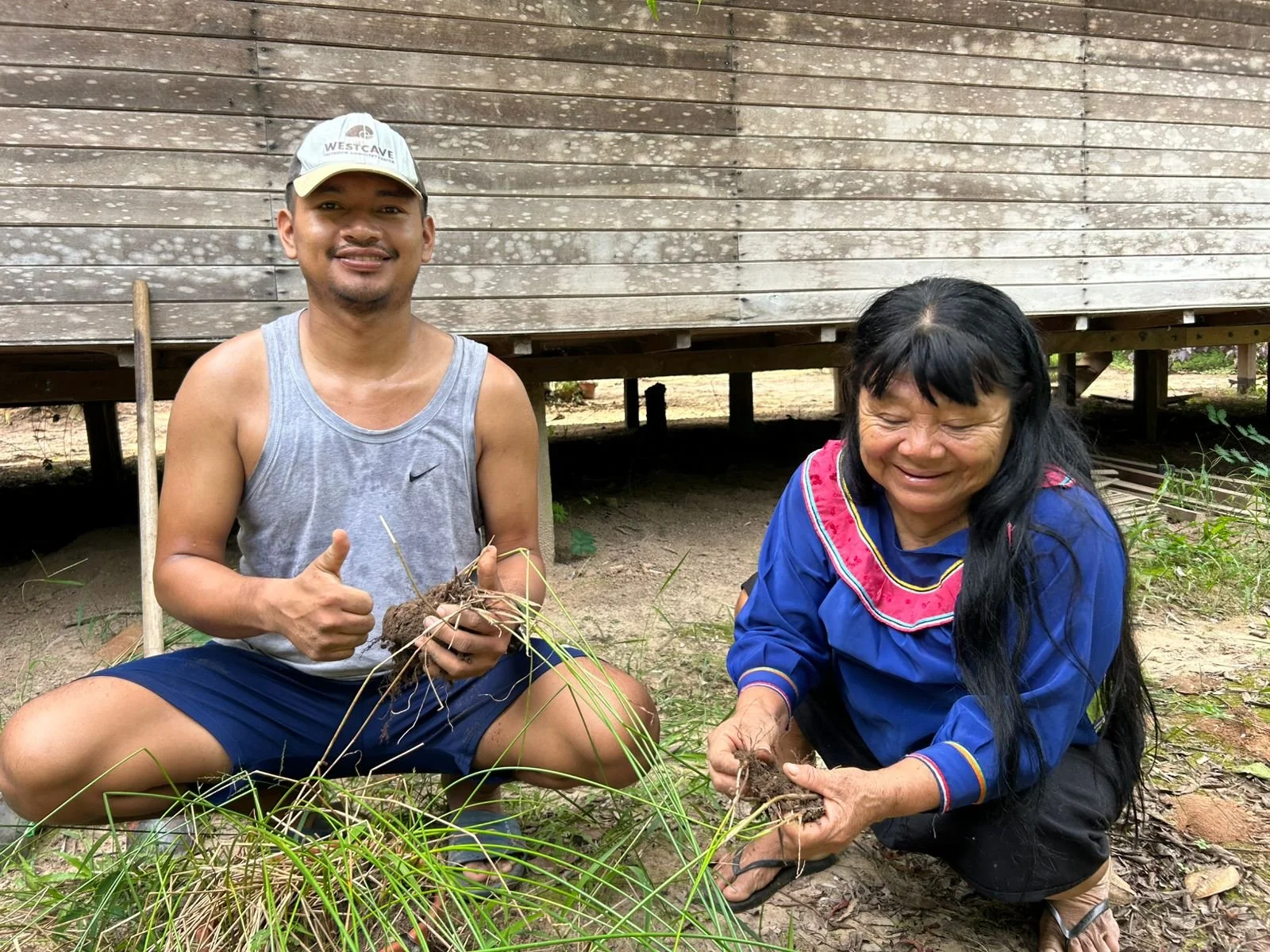
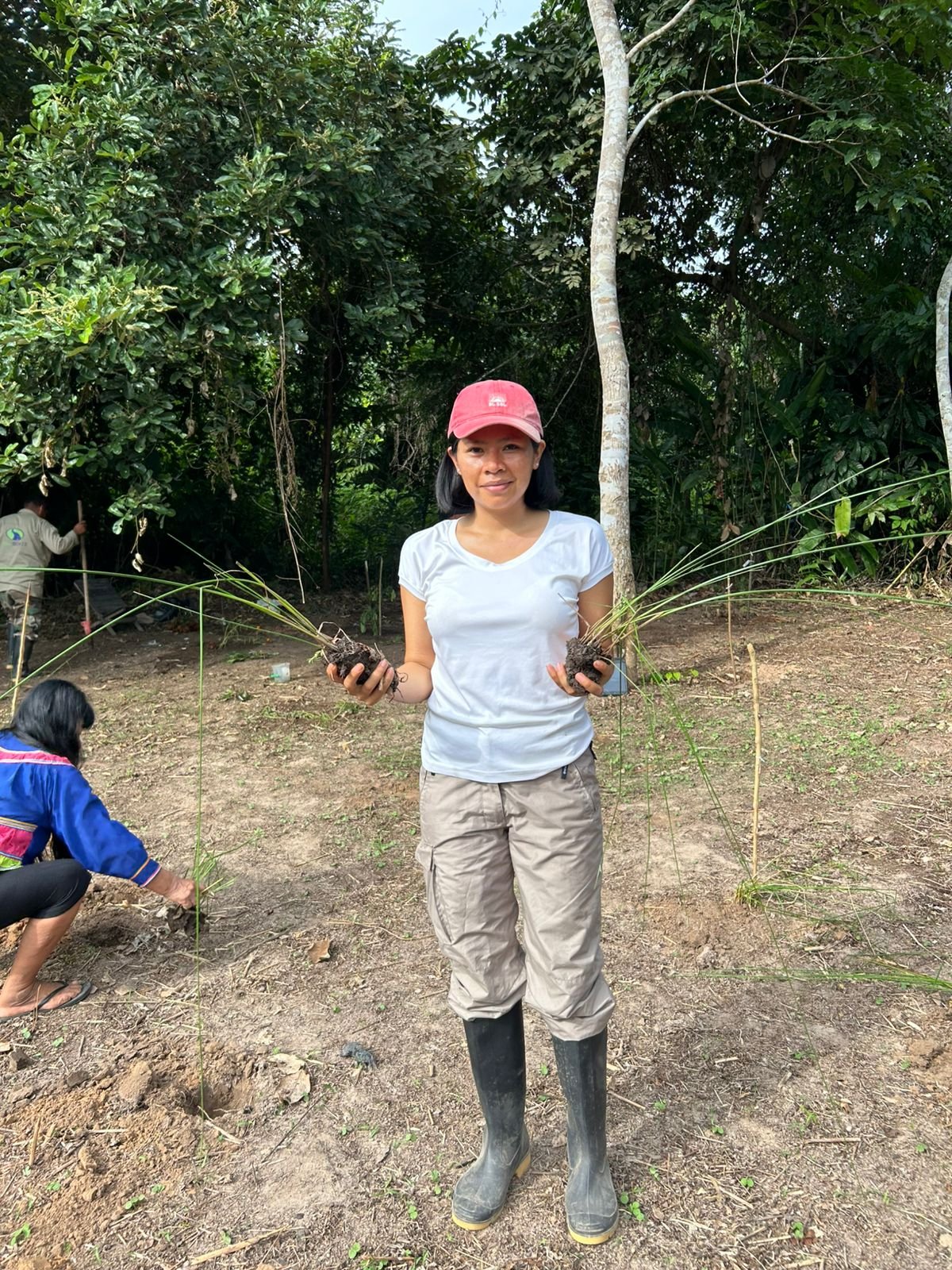
The Koshi Tapon program is a two-month immersive experience in the Peruvian Amazon, where Shipibo youth learn directly from master healers and plant specialists. This apprenticeship is more than just education; it is a profound journey of cultural reclamation and personal growth, designed to cultivate a new generation of leaders rooted in their heritage.

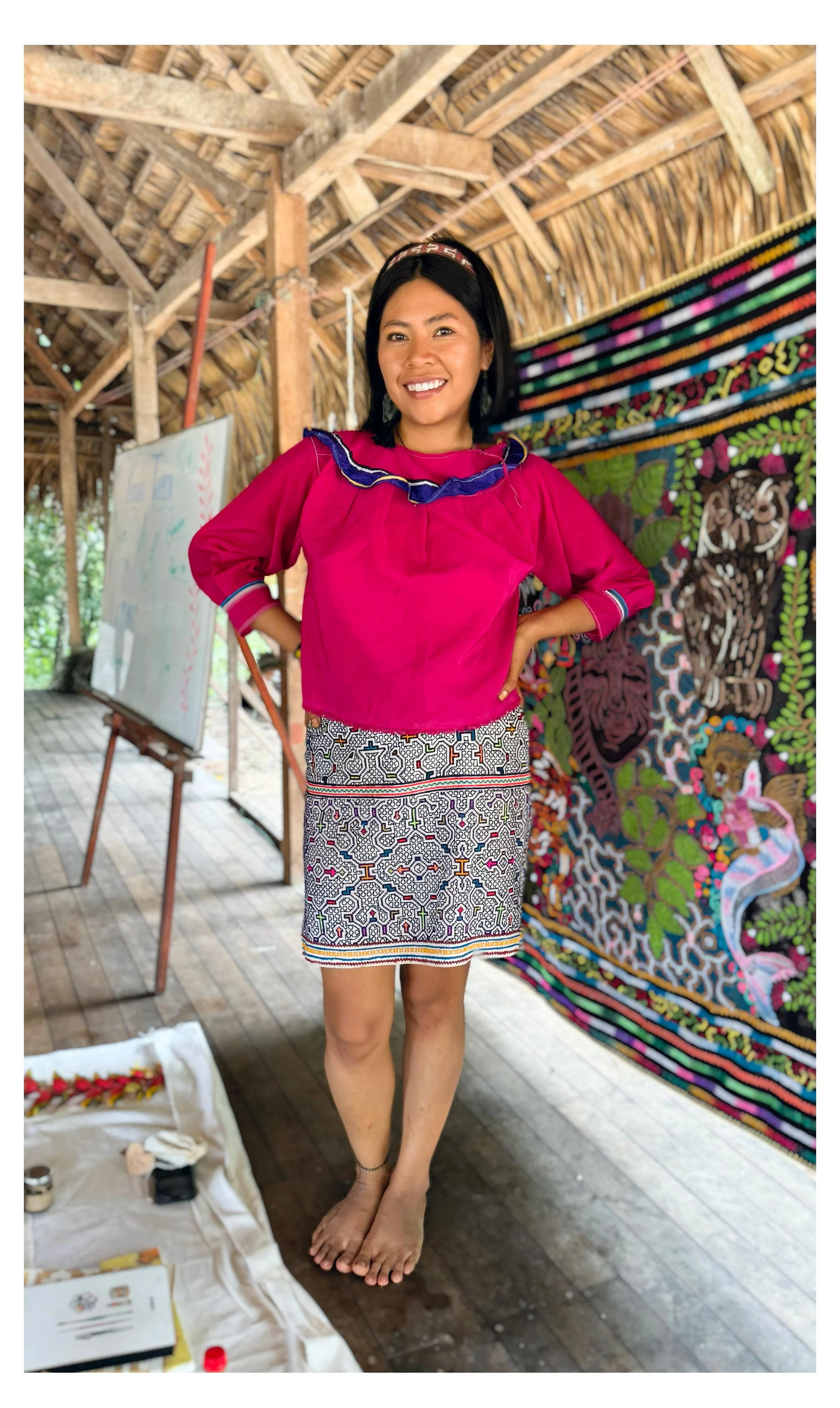
"The grandmother (Abuela Delia) is literally an open book. It makes me very happy to return to my roots, to my culture, to put my feet on the ground... there are other ways to heal with plants."
— Eva, Koshi Tapon Student

Program Highlights and Student Success
The inaugural Koshi Tapon program yielded remarkable successes, demonstrating the power of this intergenerational learning model:
Deepening Traditional Knowledge
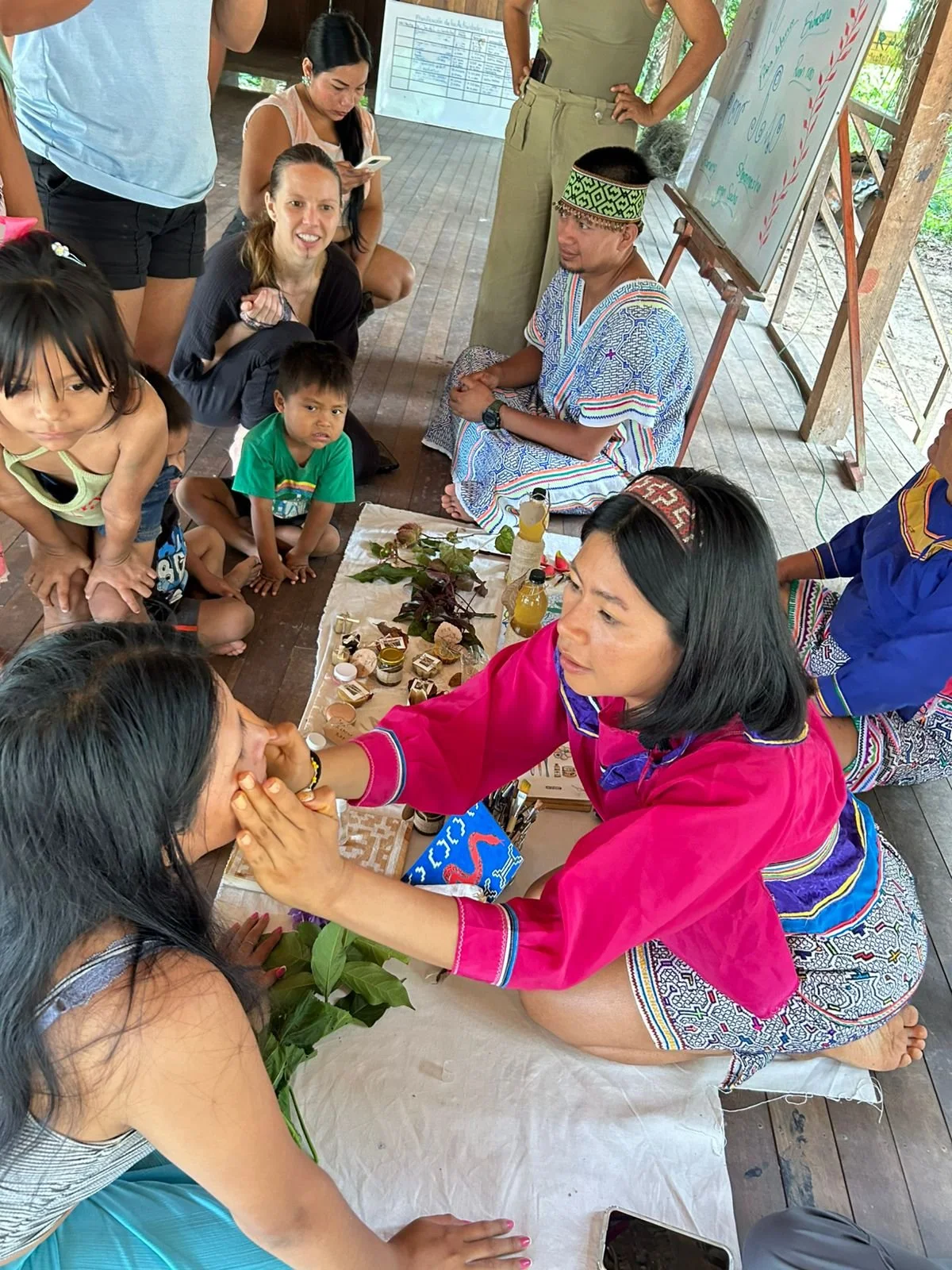
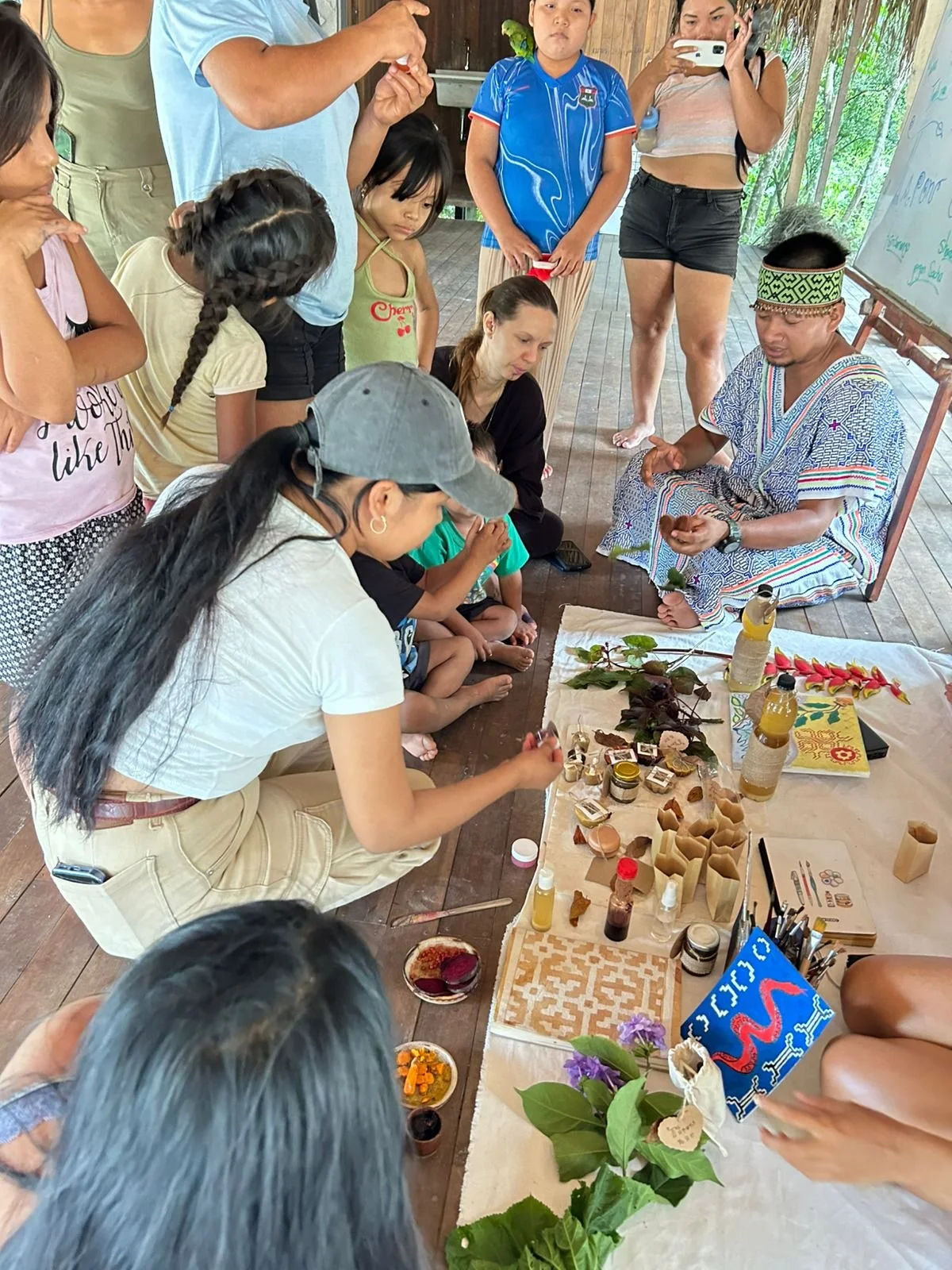
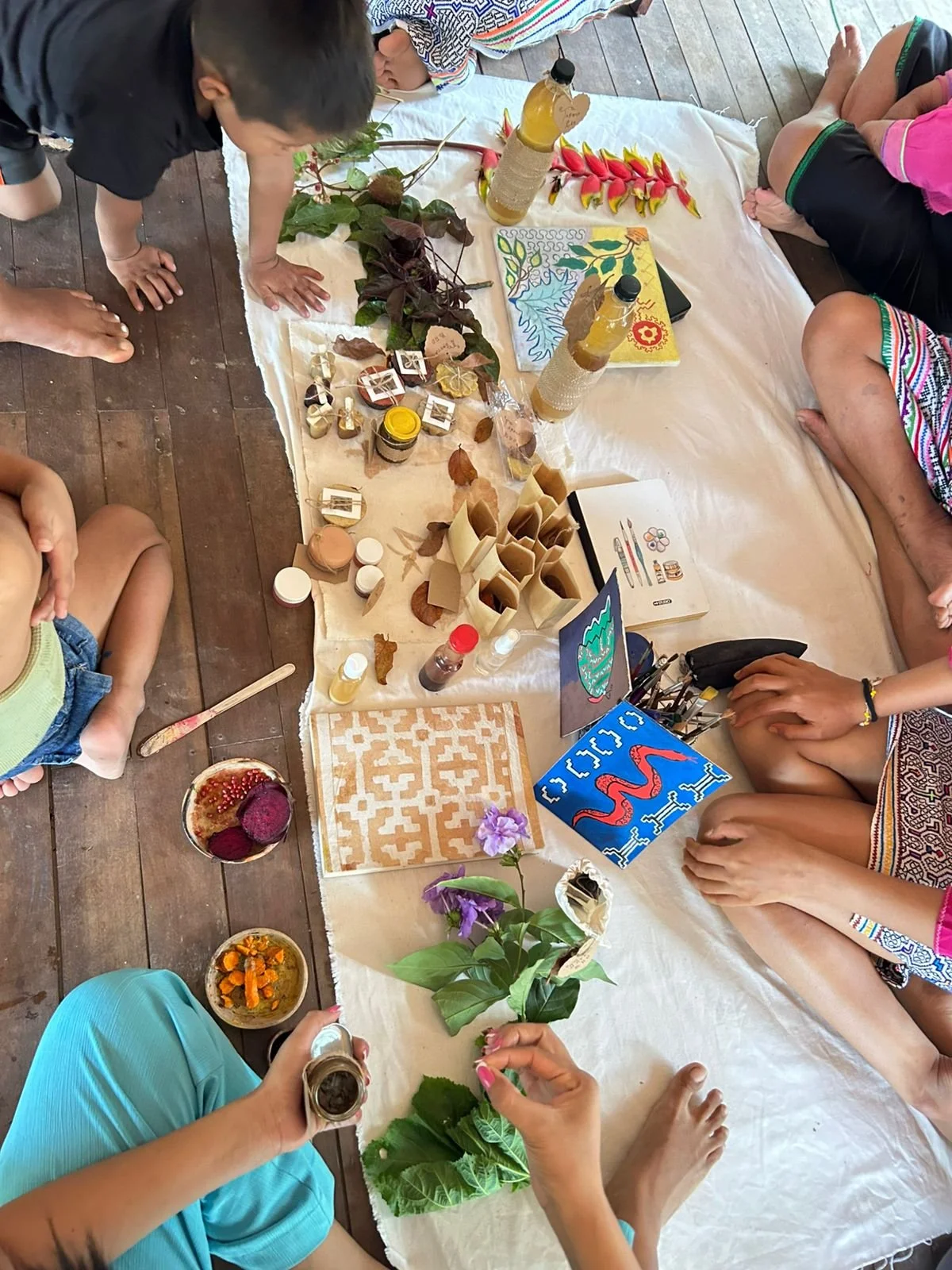
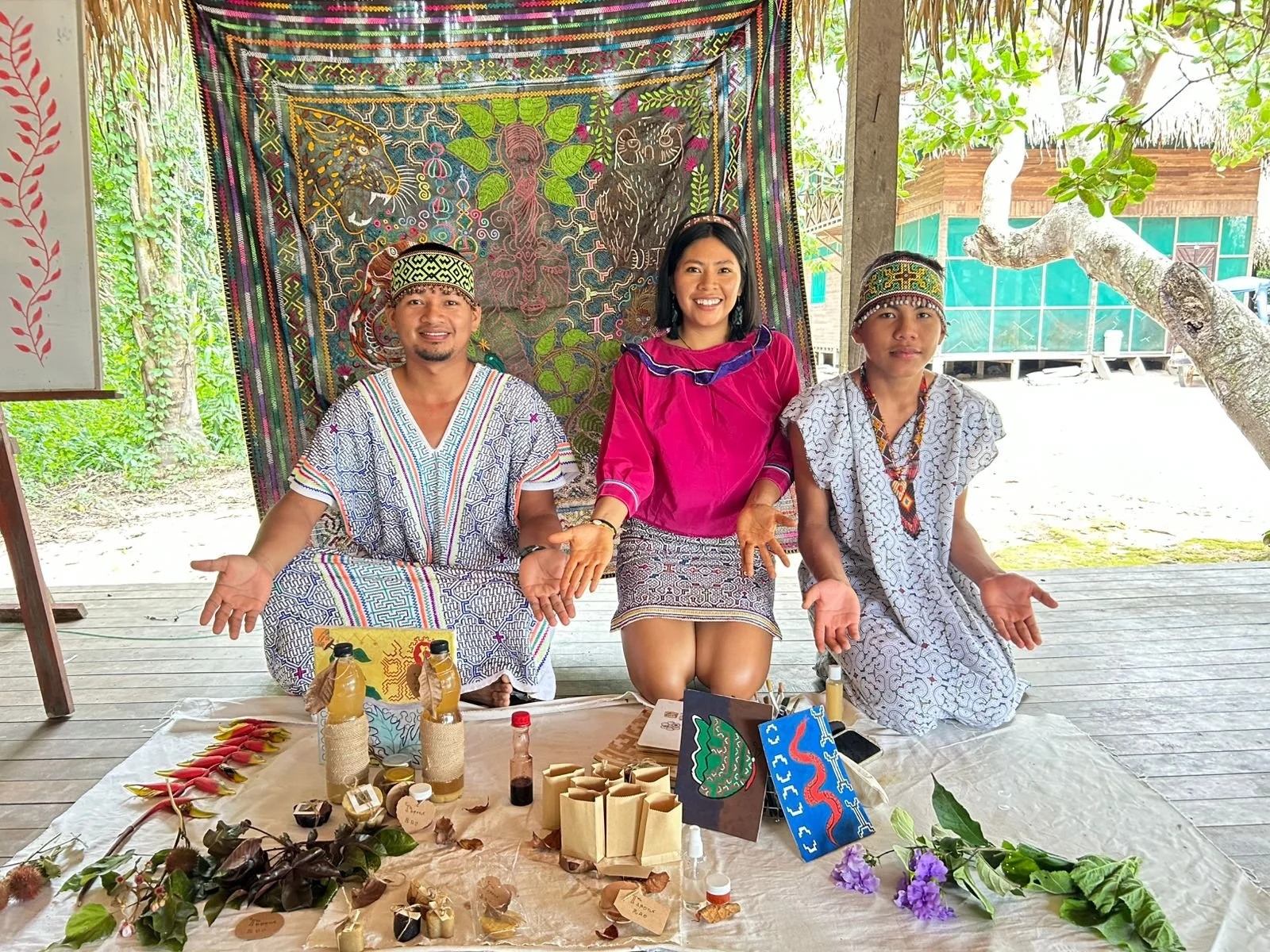
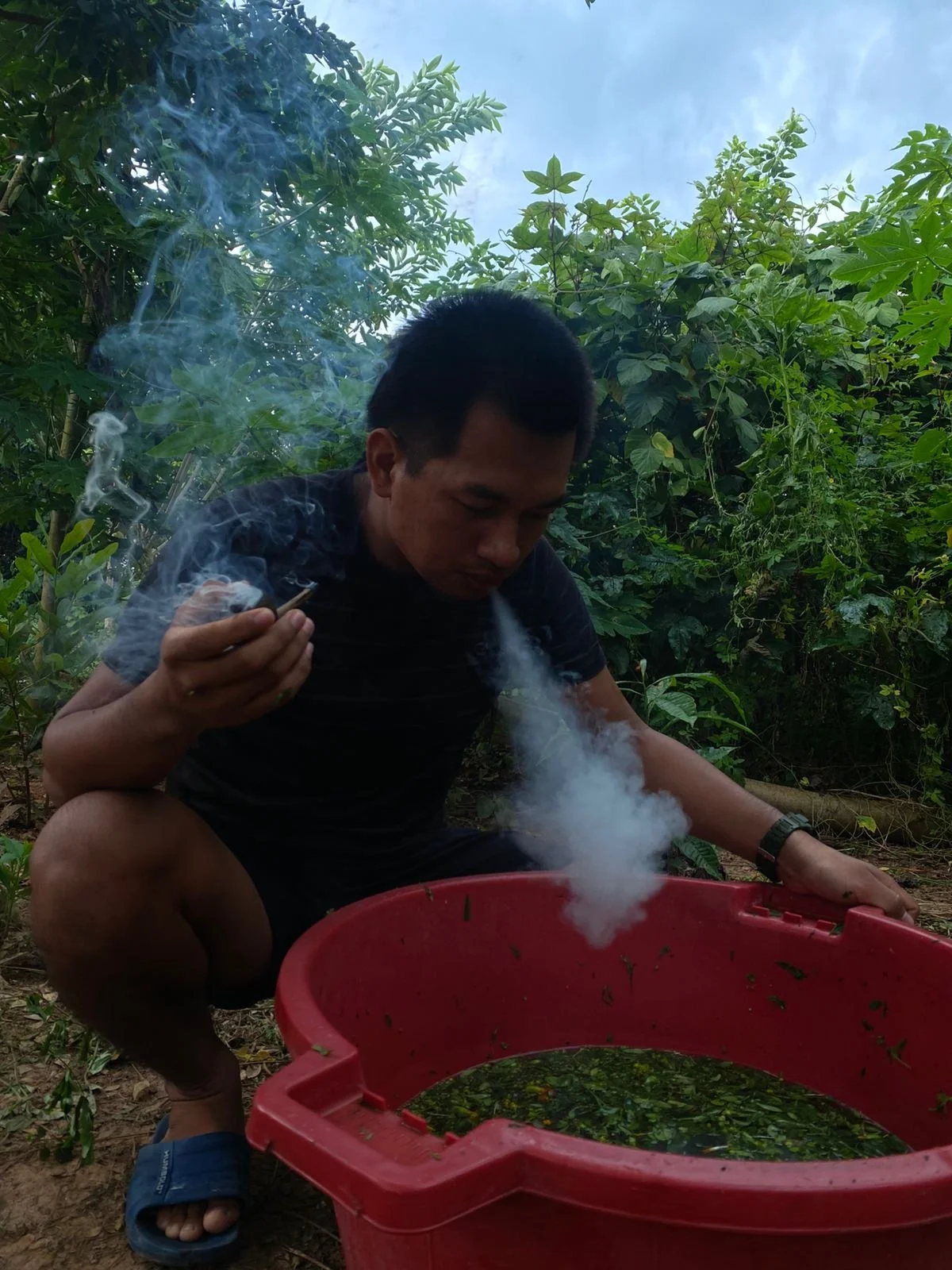
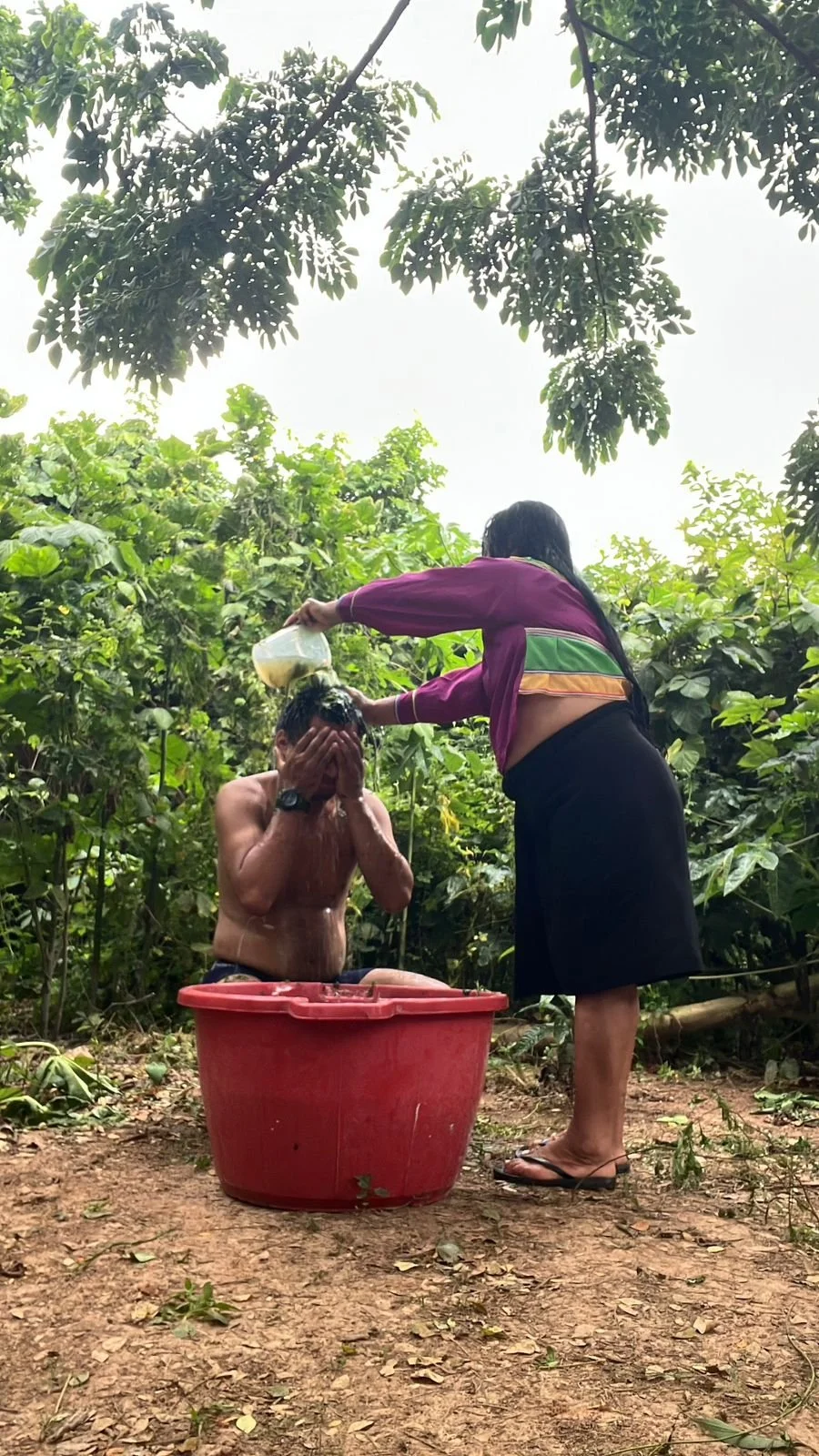
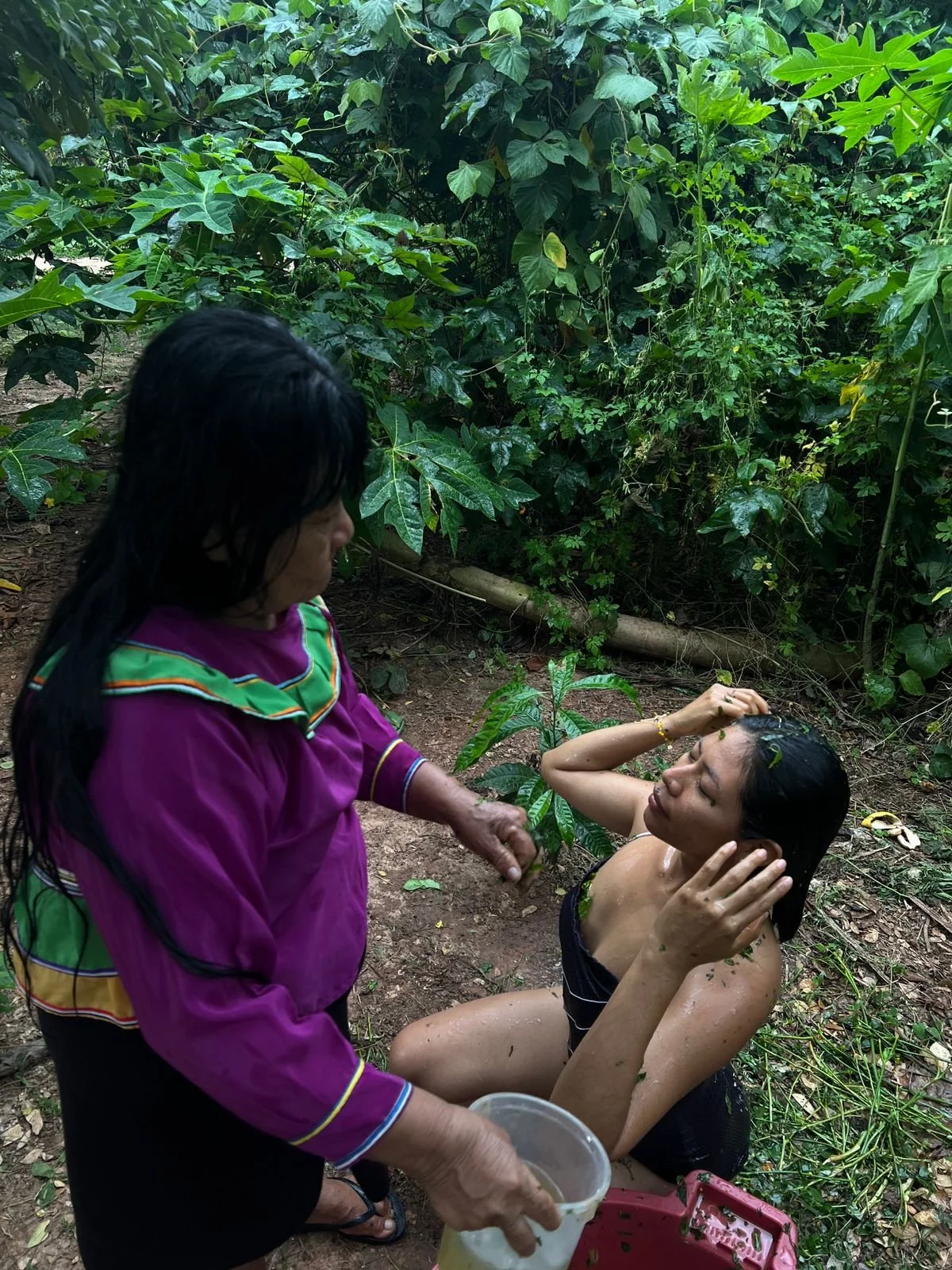
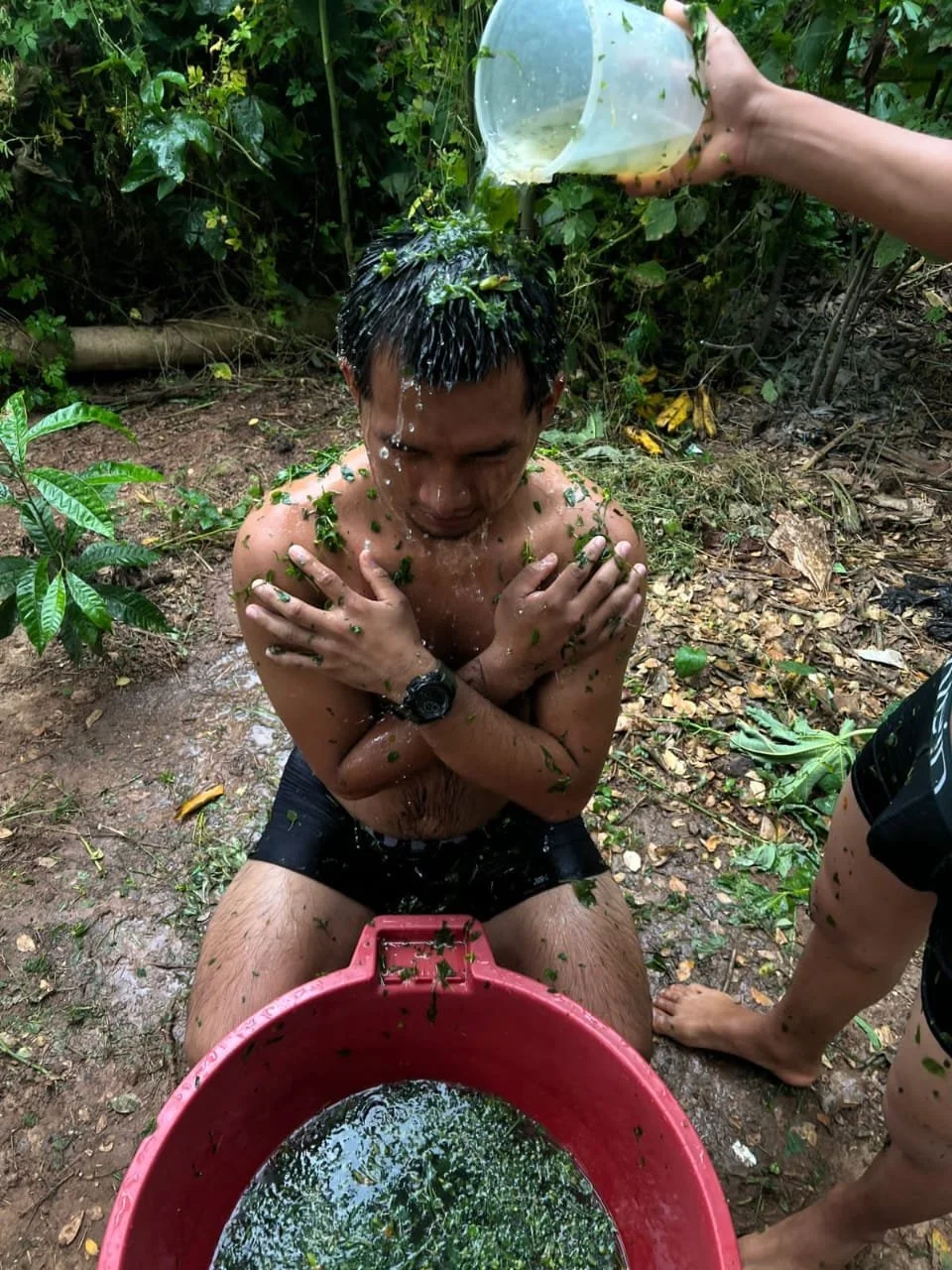
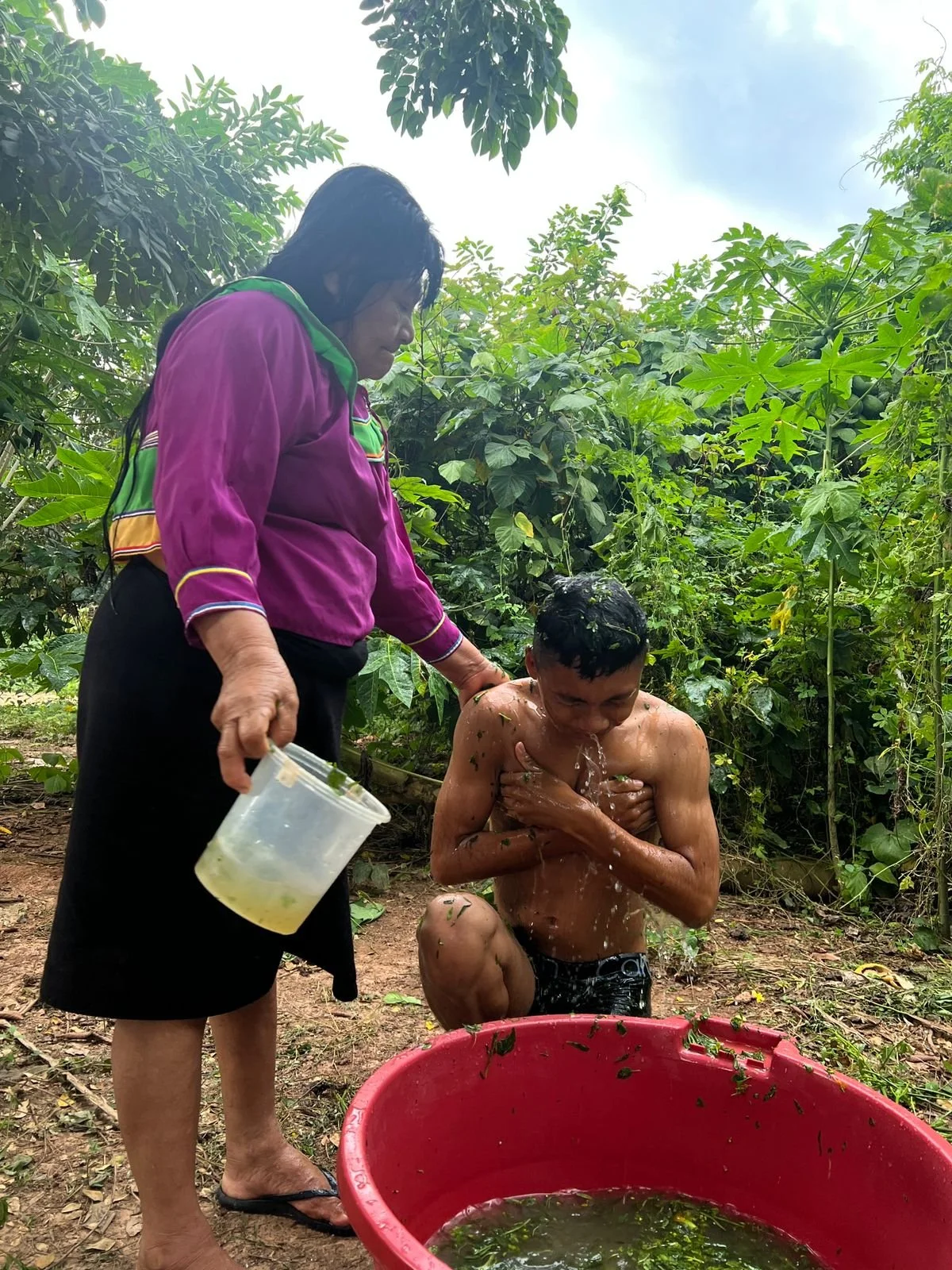
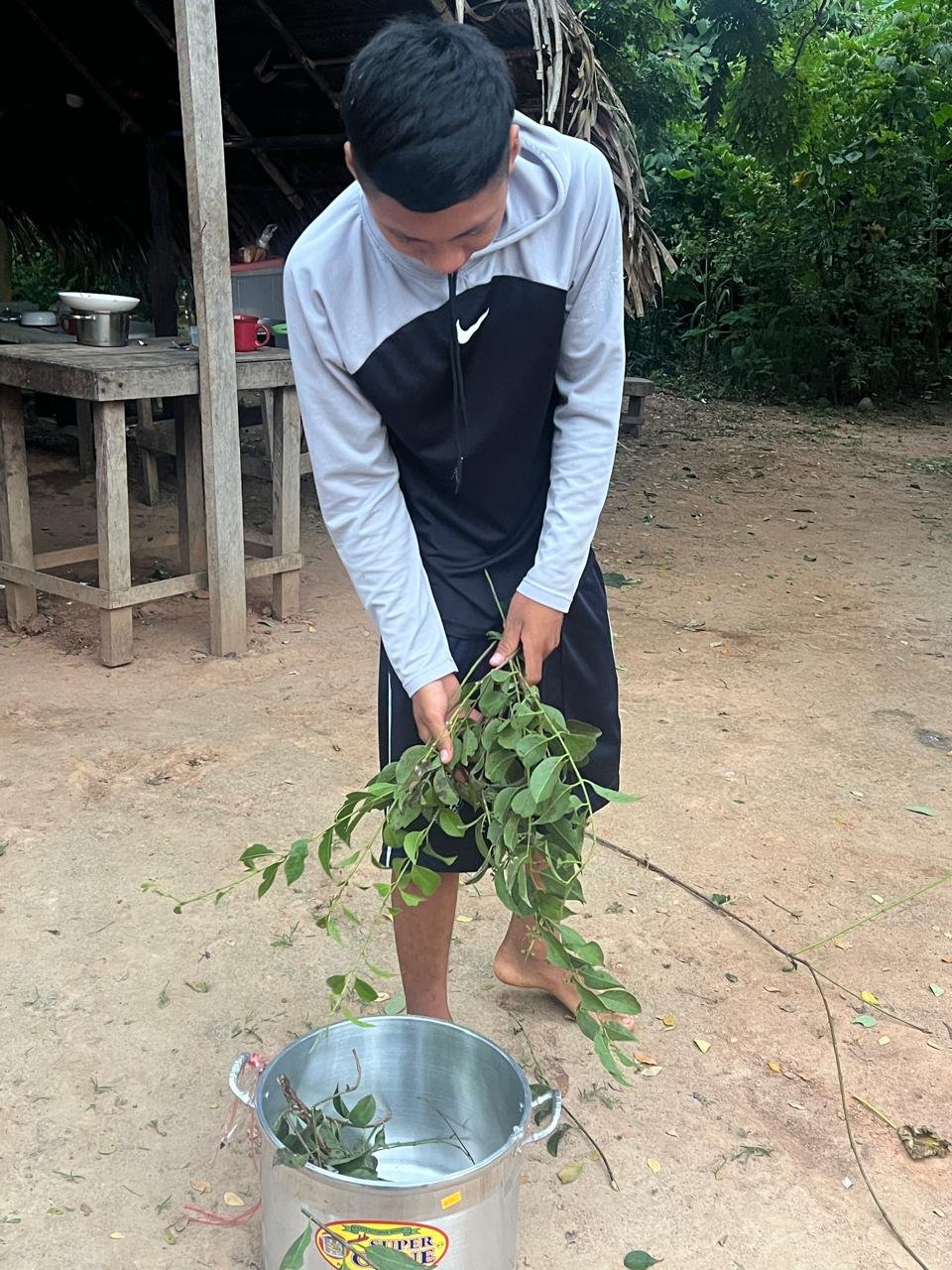
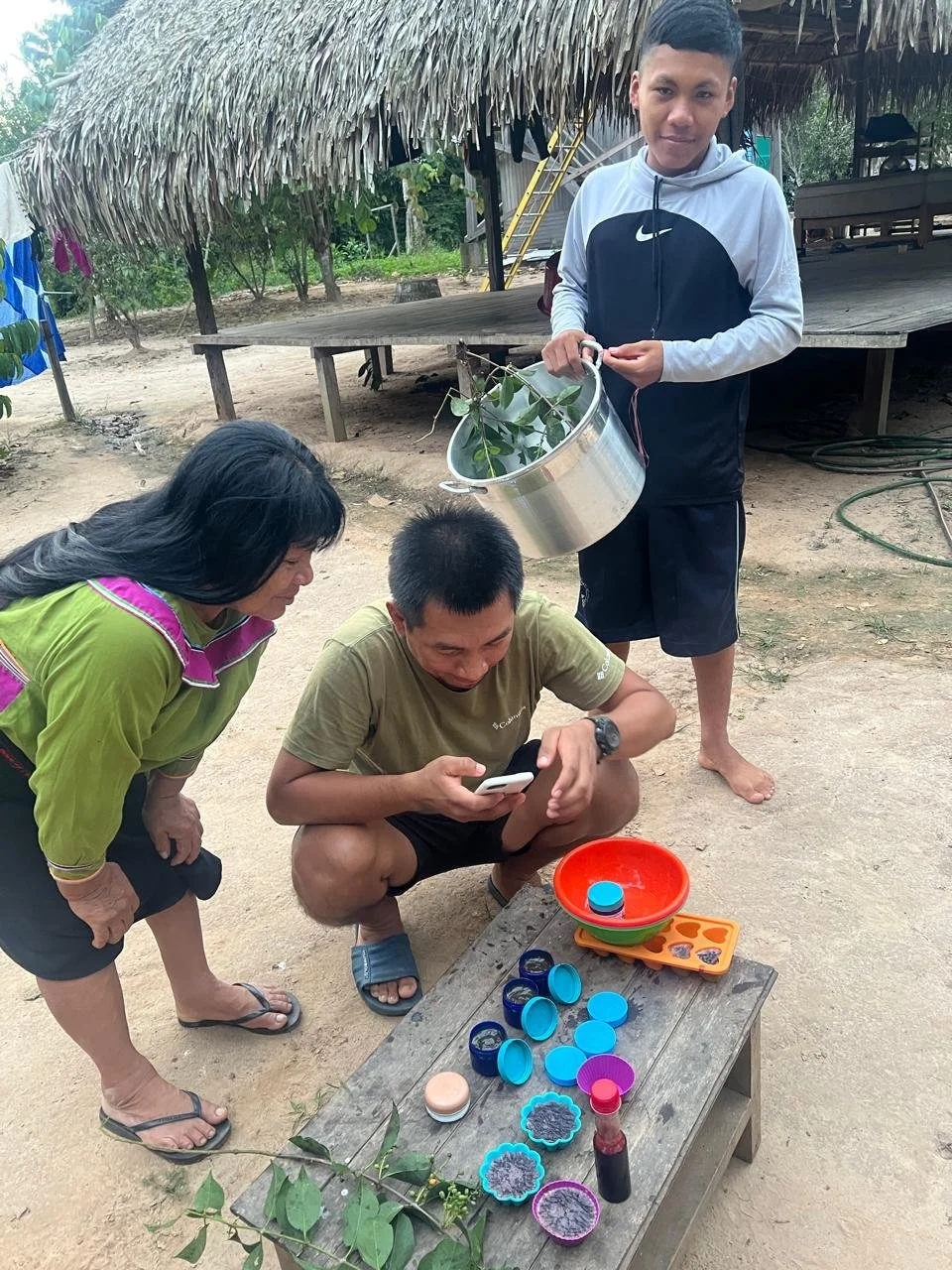
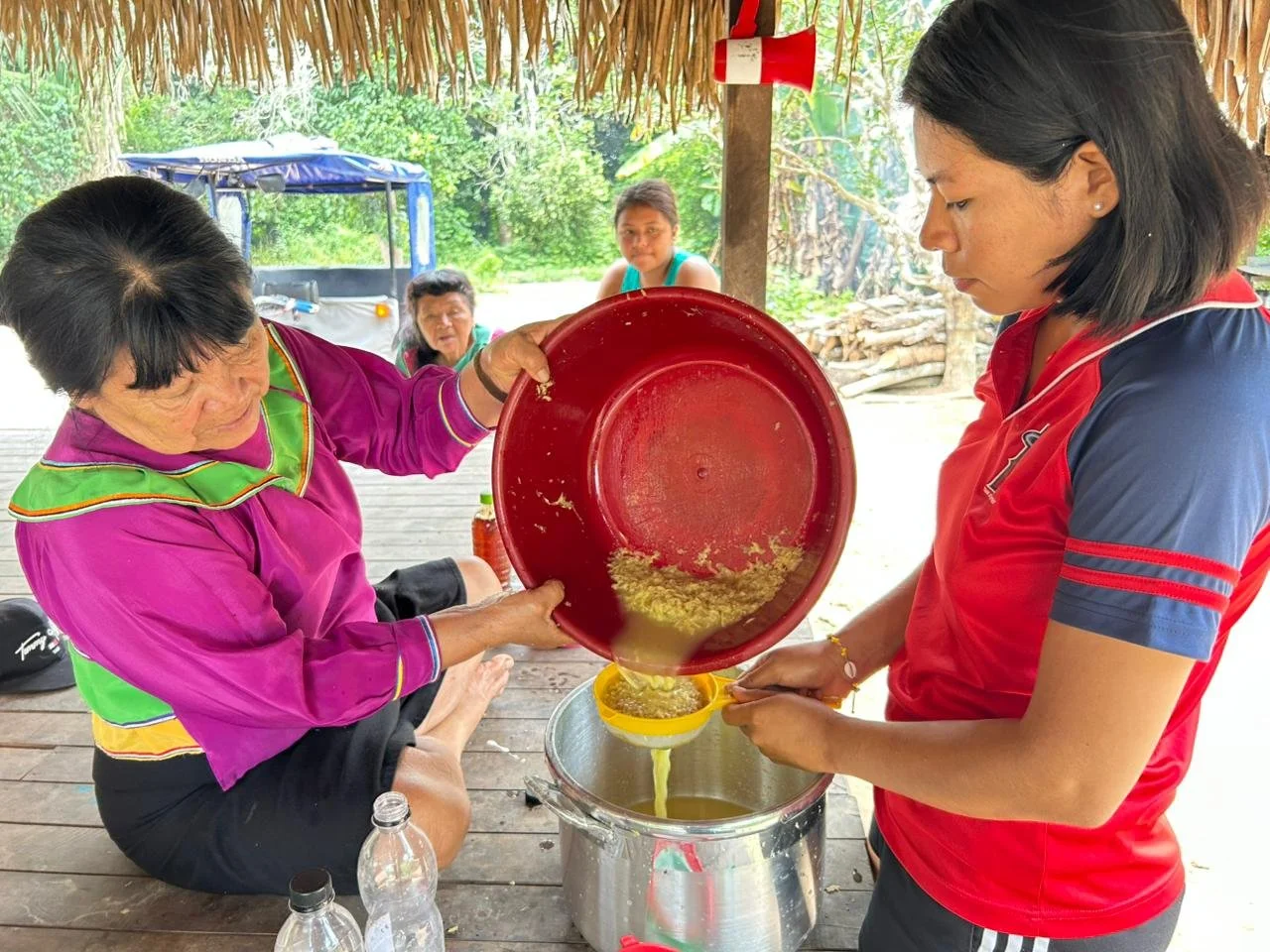
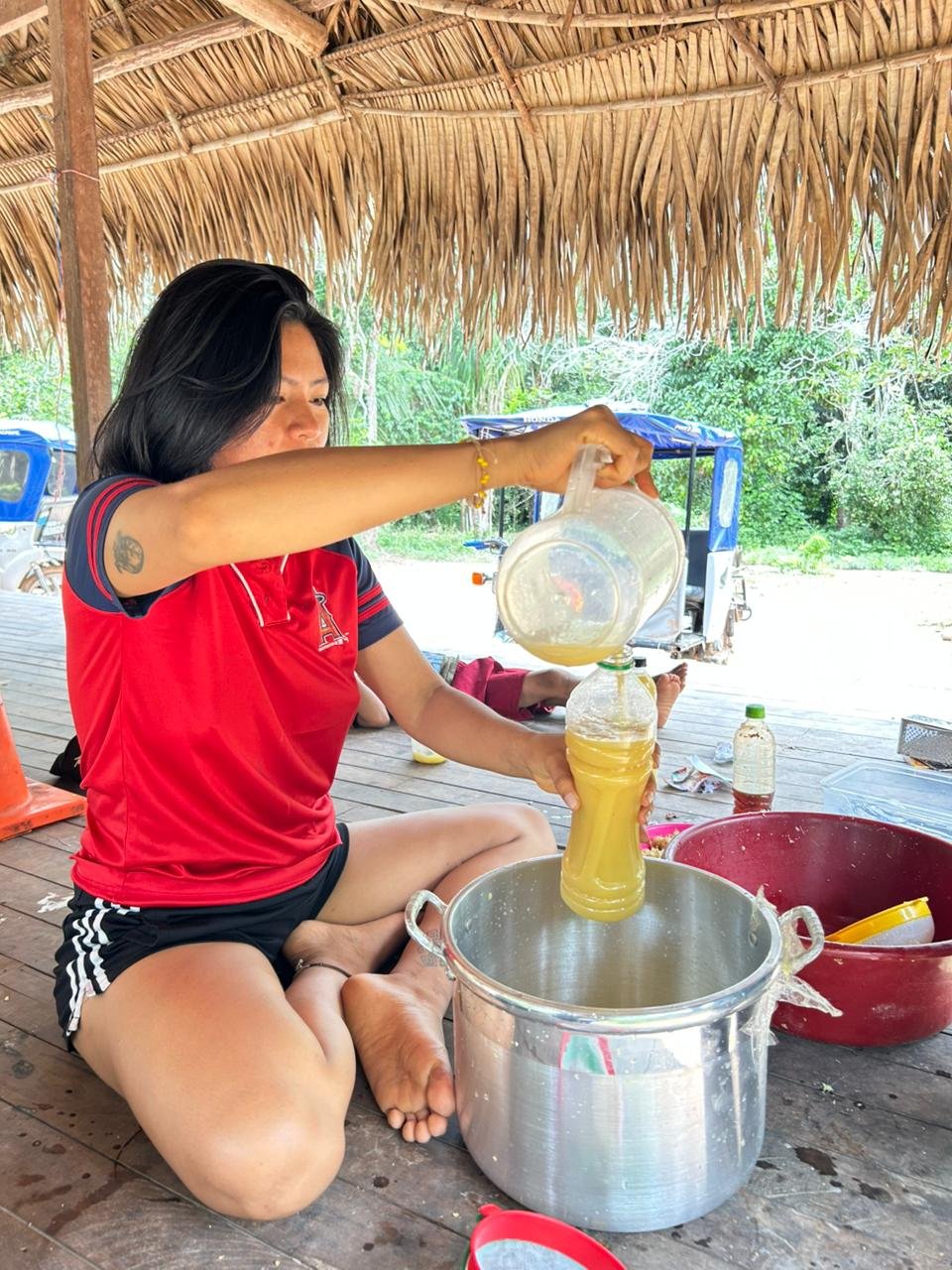
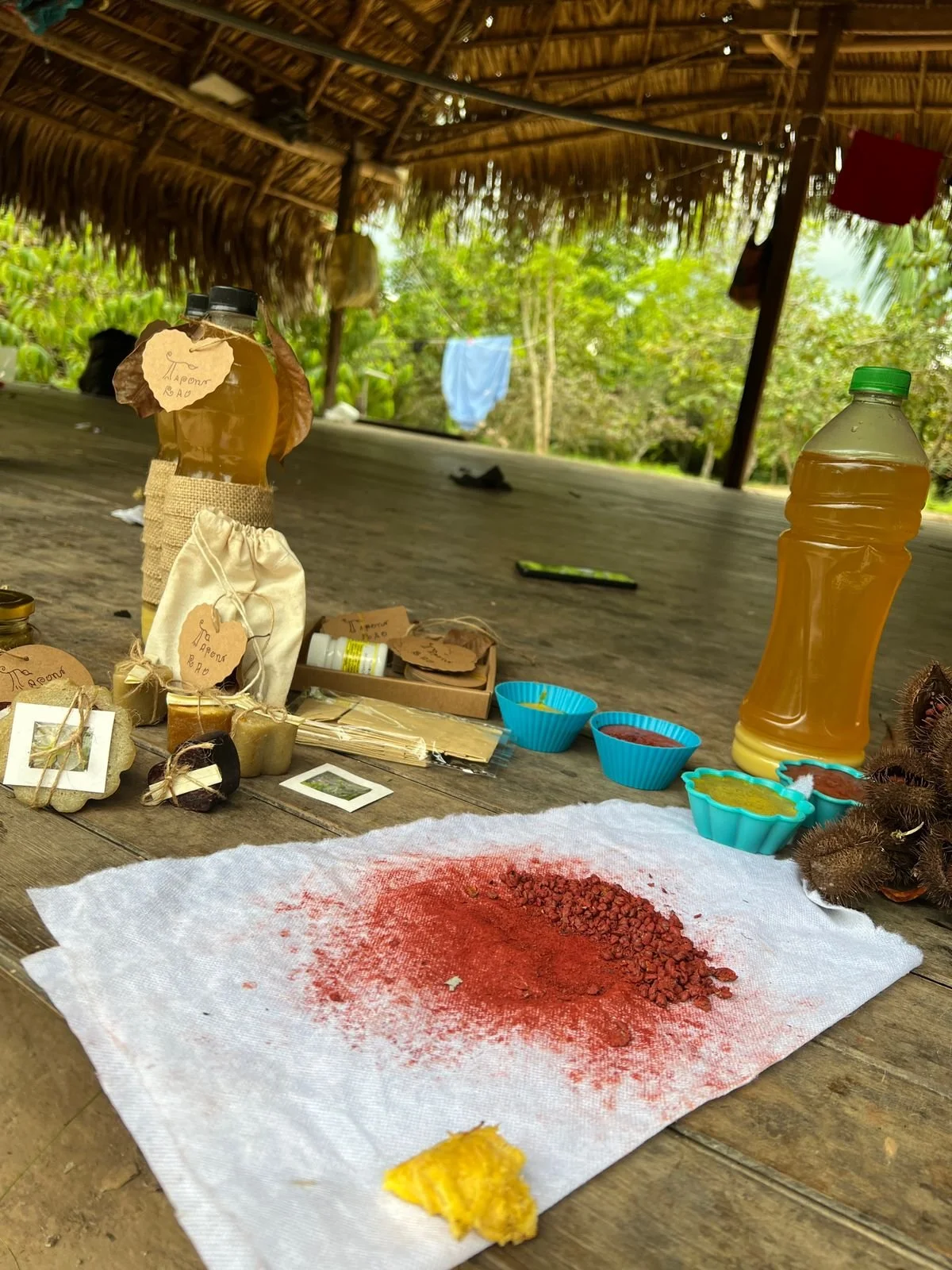
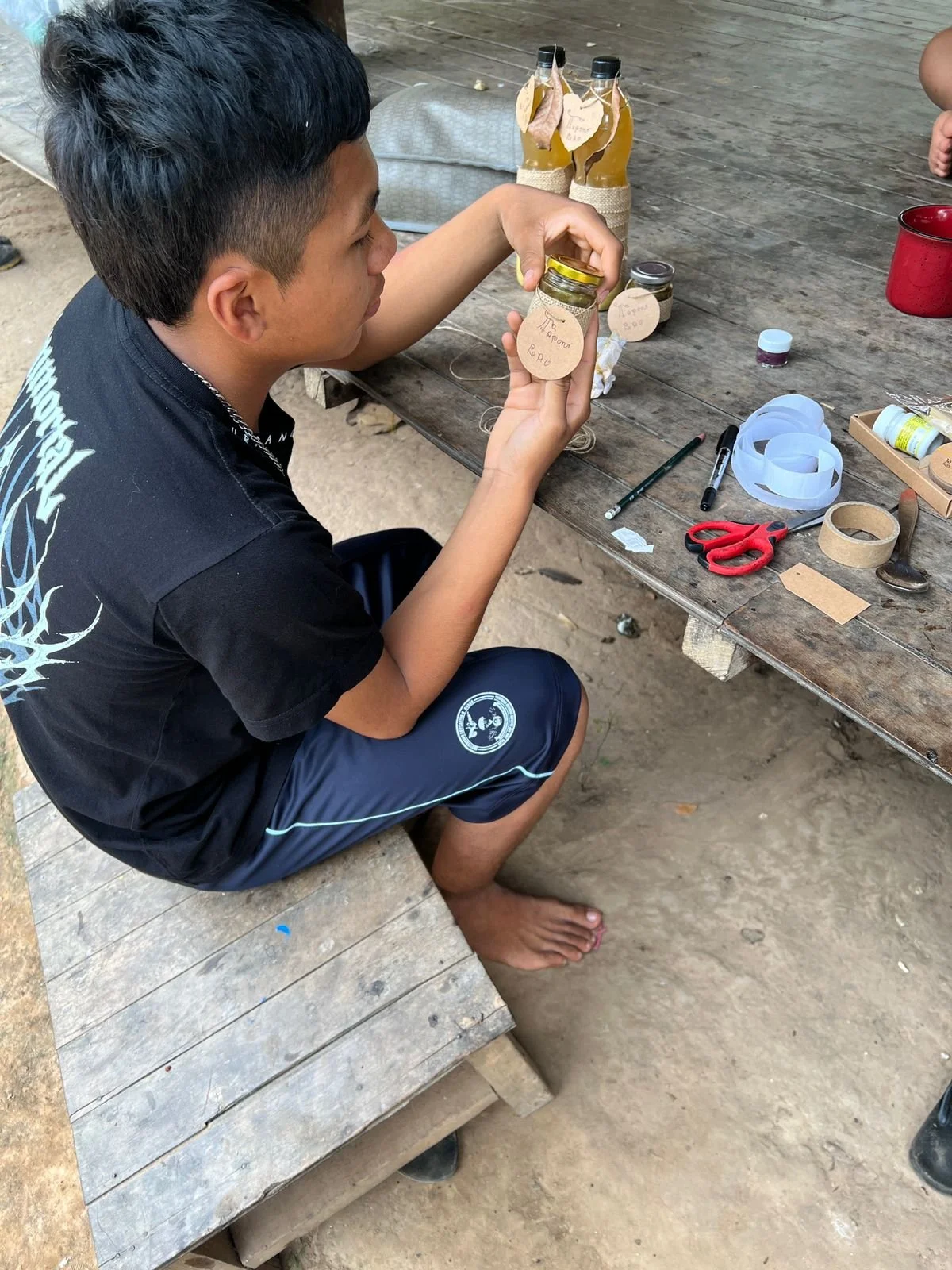
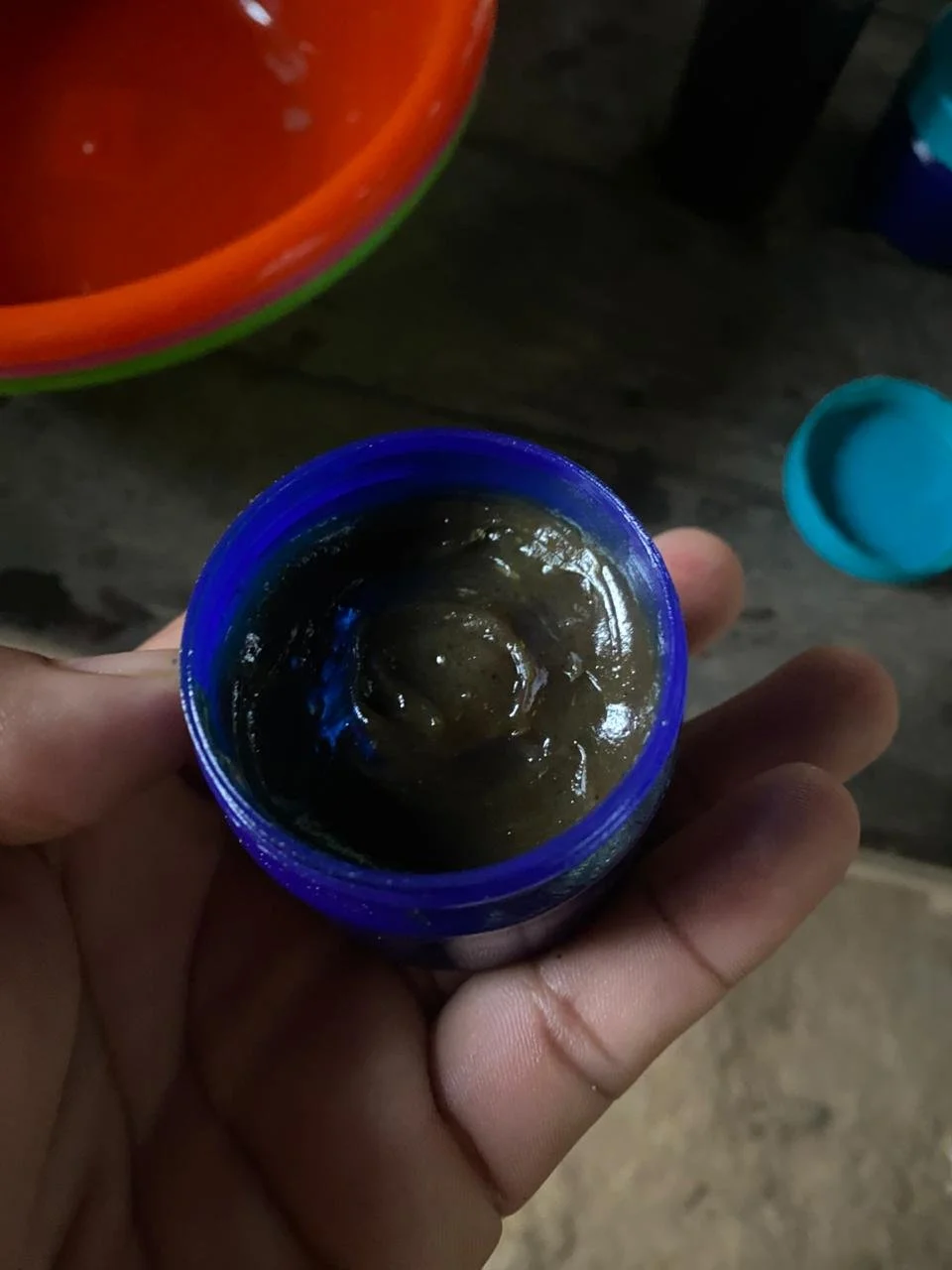
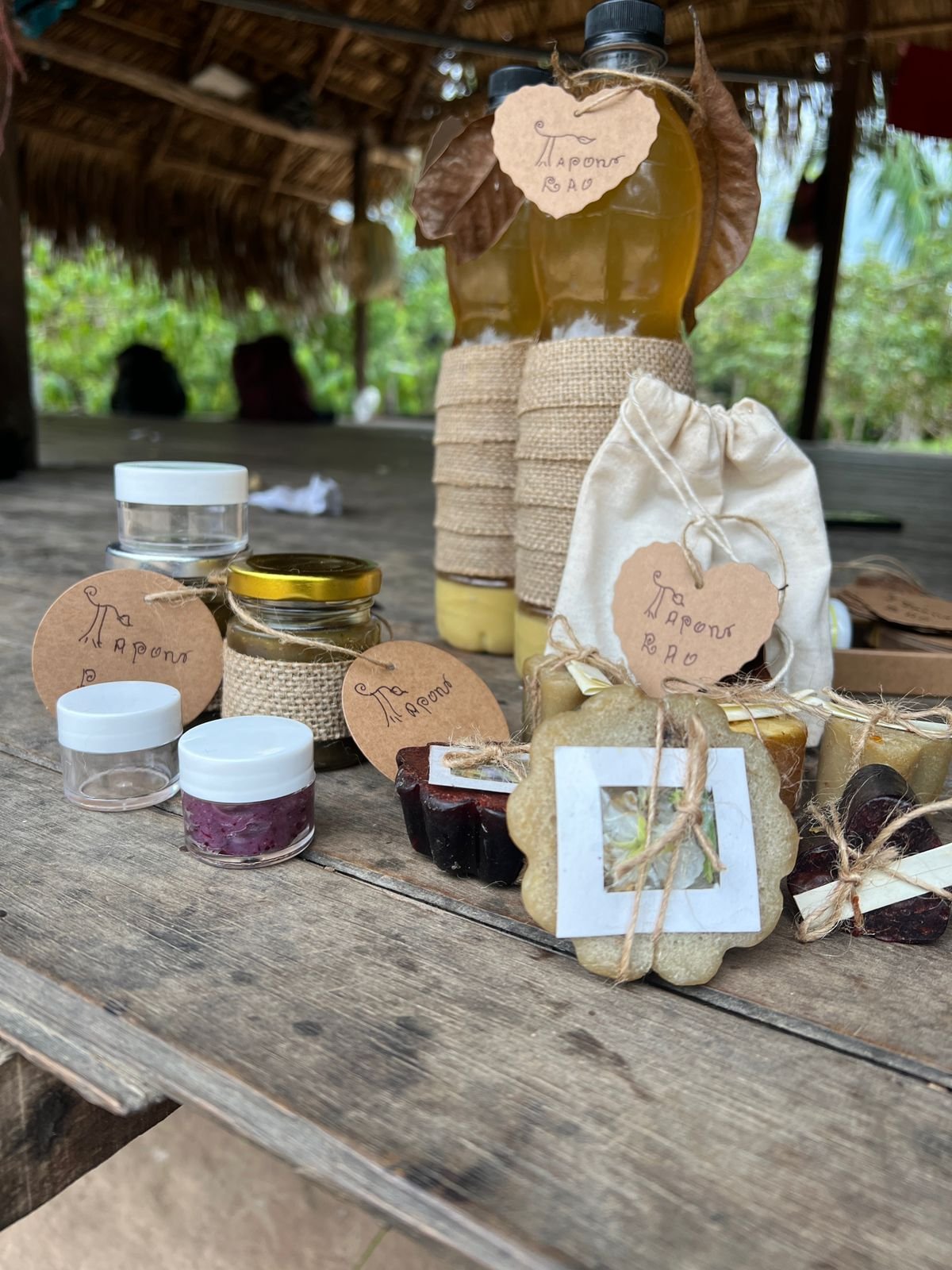
Students gained hands-on experience in identifying, harvesting, and preparing traditional medicines, including soaps, ointments (mentoles), and healing brews, directly from Shipibo elders.
Empowering Cultural Identity
Participants expressed a renewed connection to their Shipibo heritage, recognizing the vital importance of preserving their unique cultural practices and language.
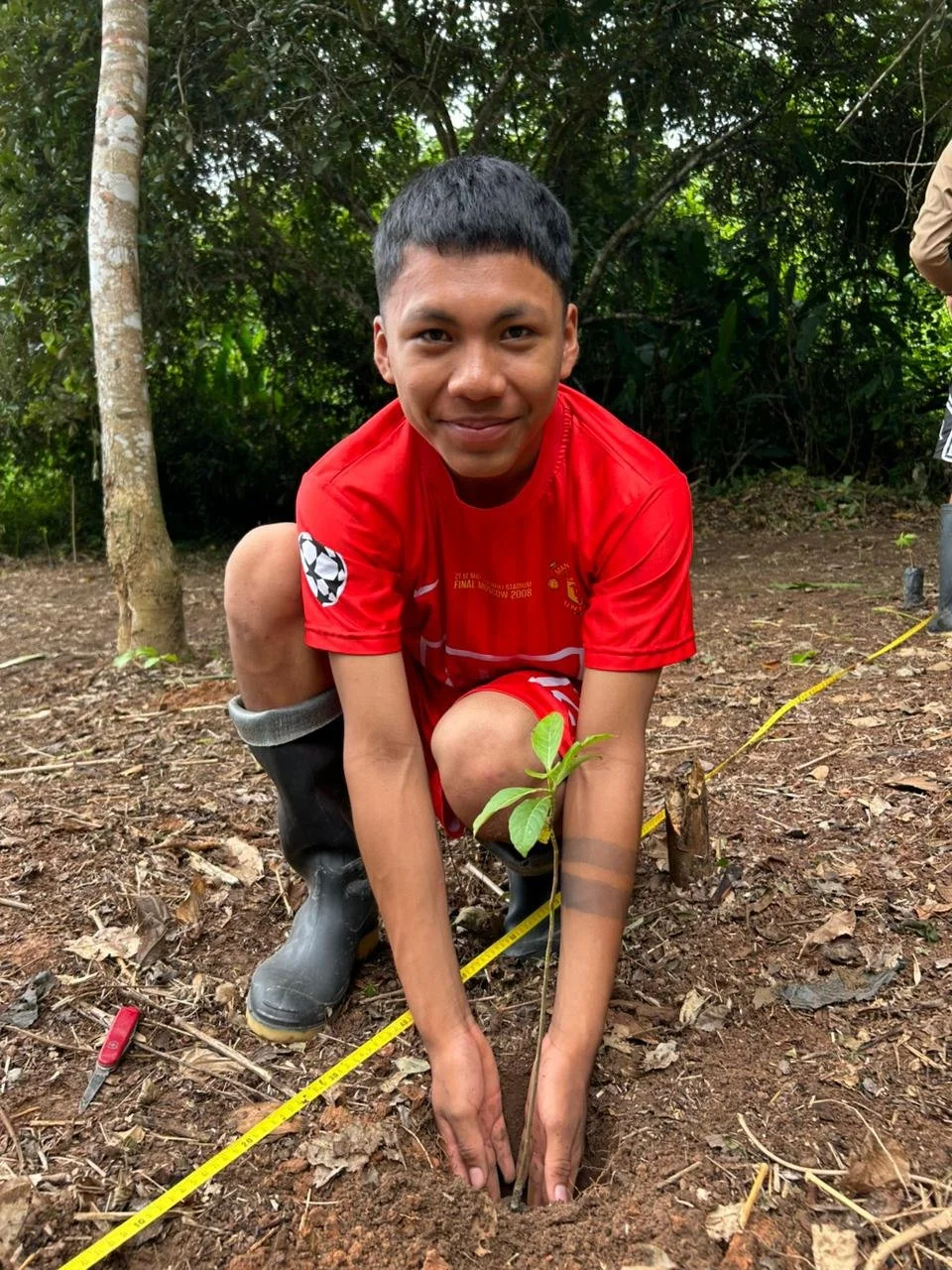
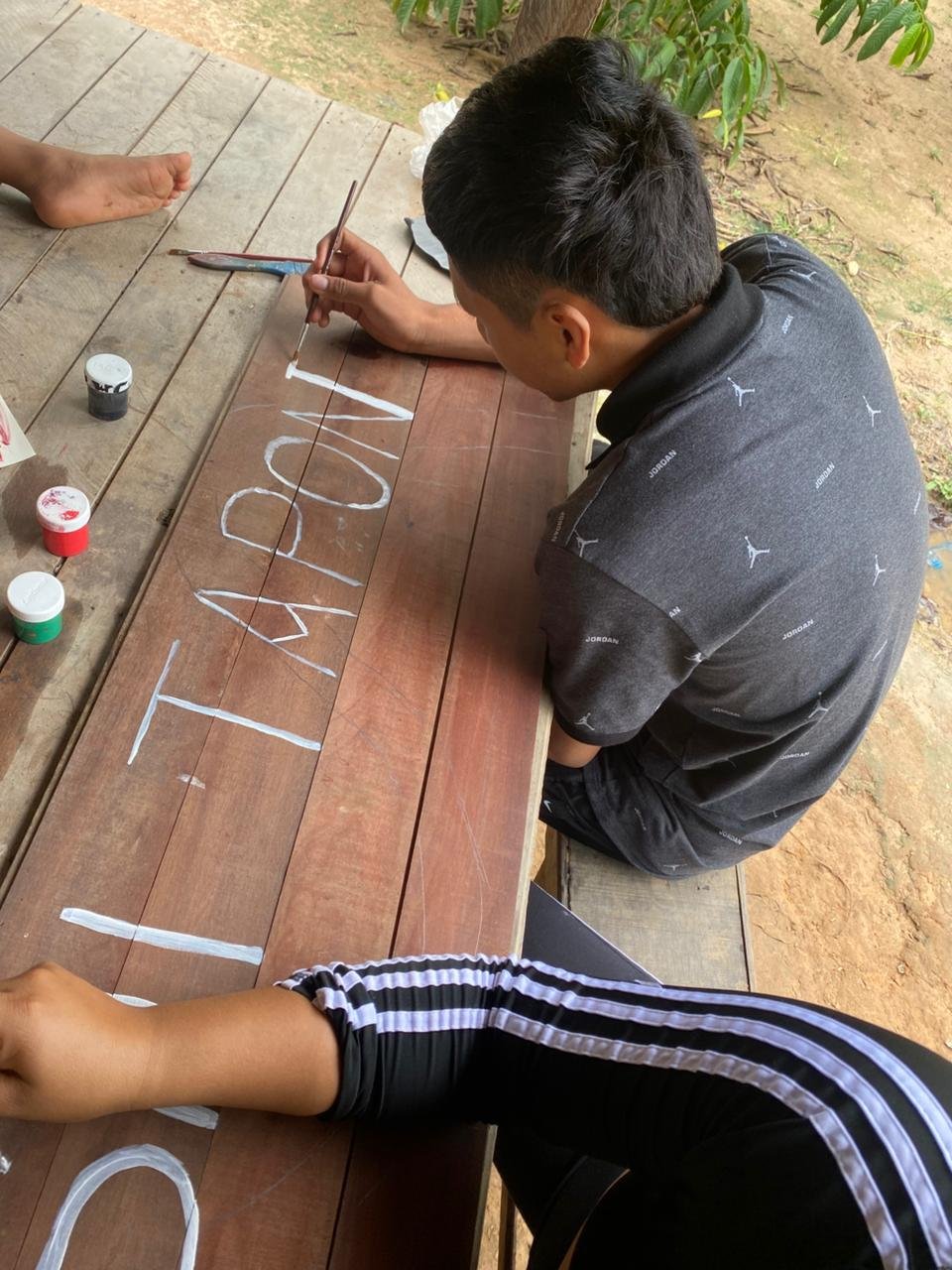
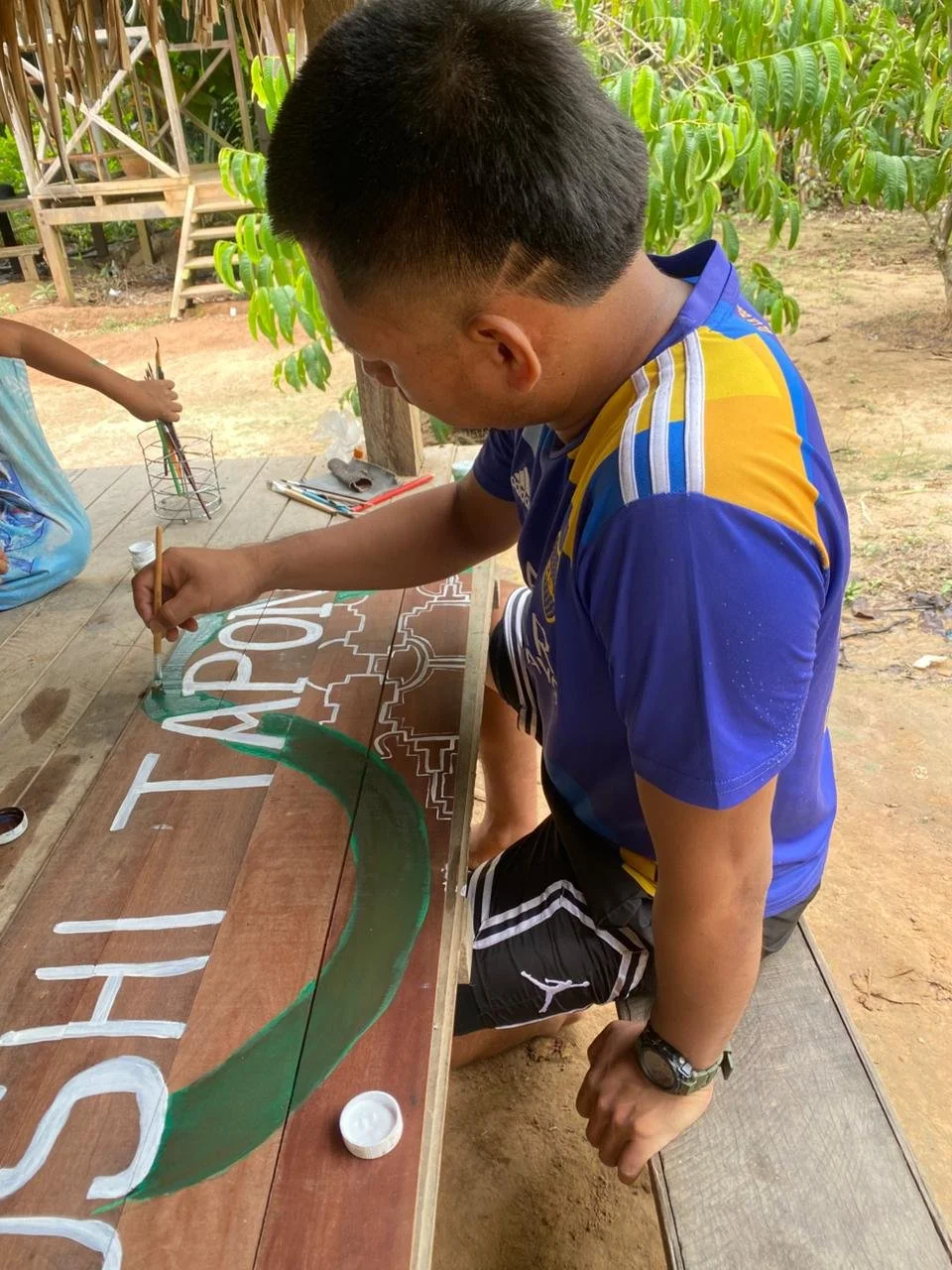
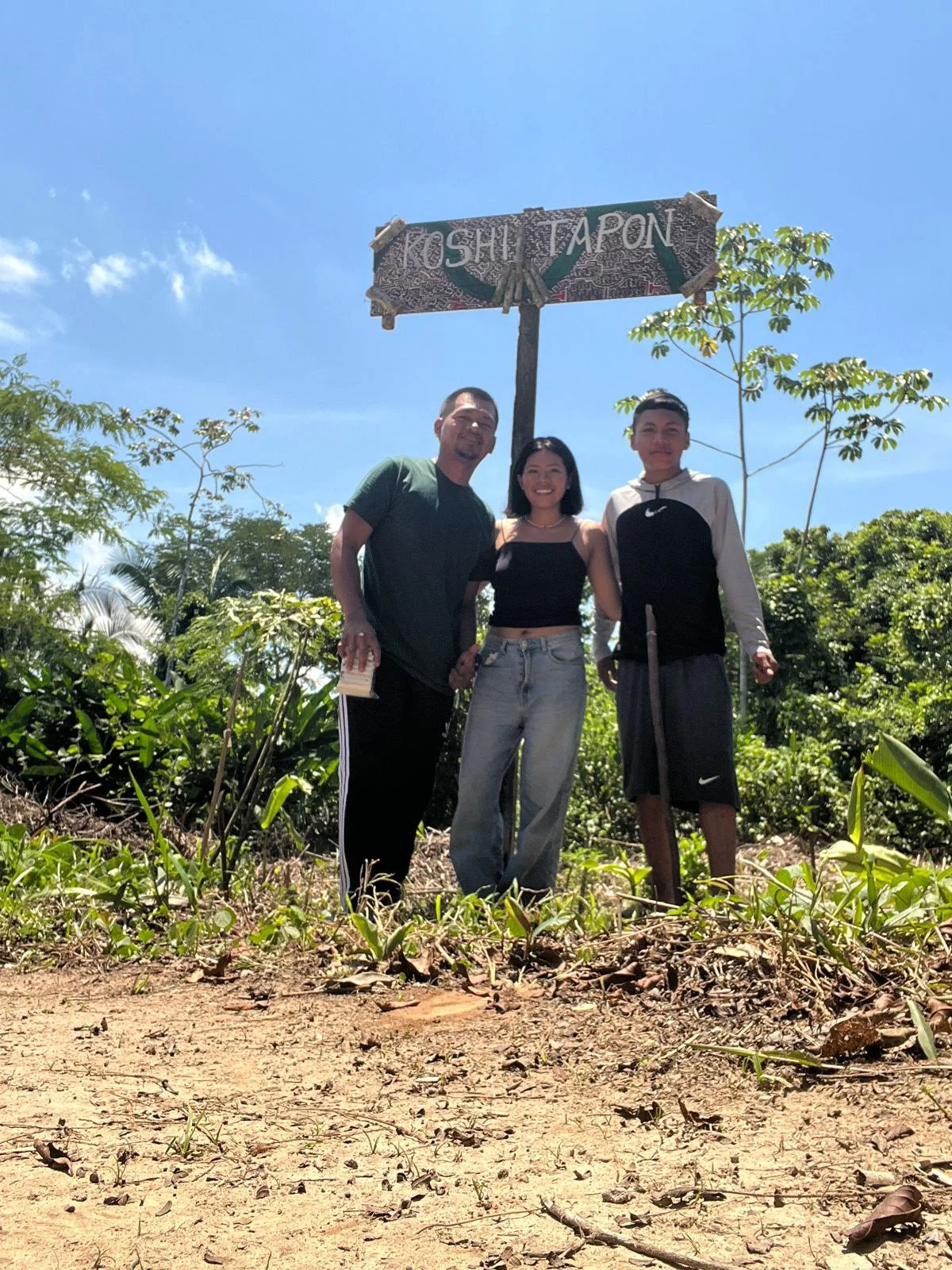
Tangible Legacy: The Koshi Tapon Garden
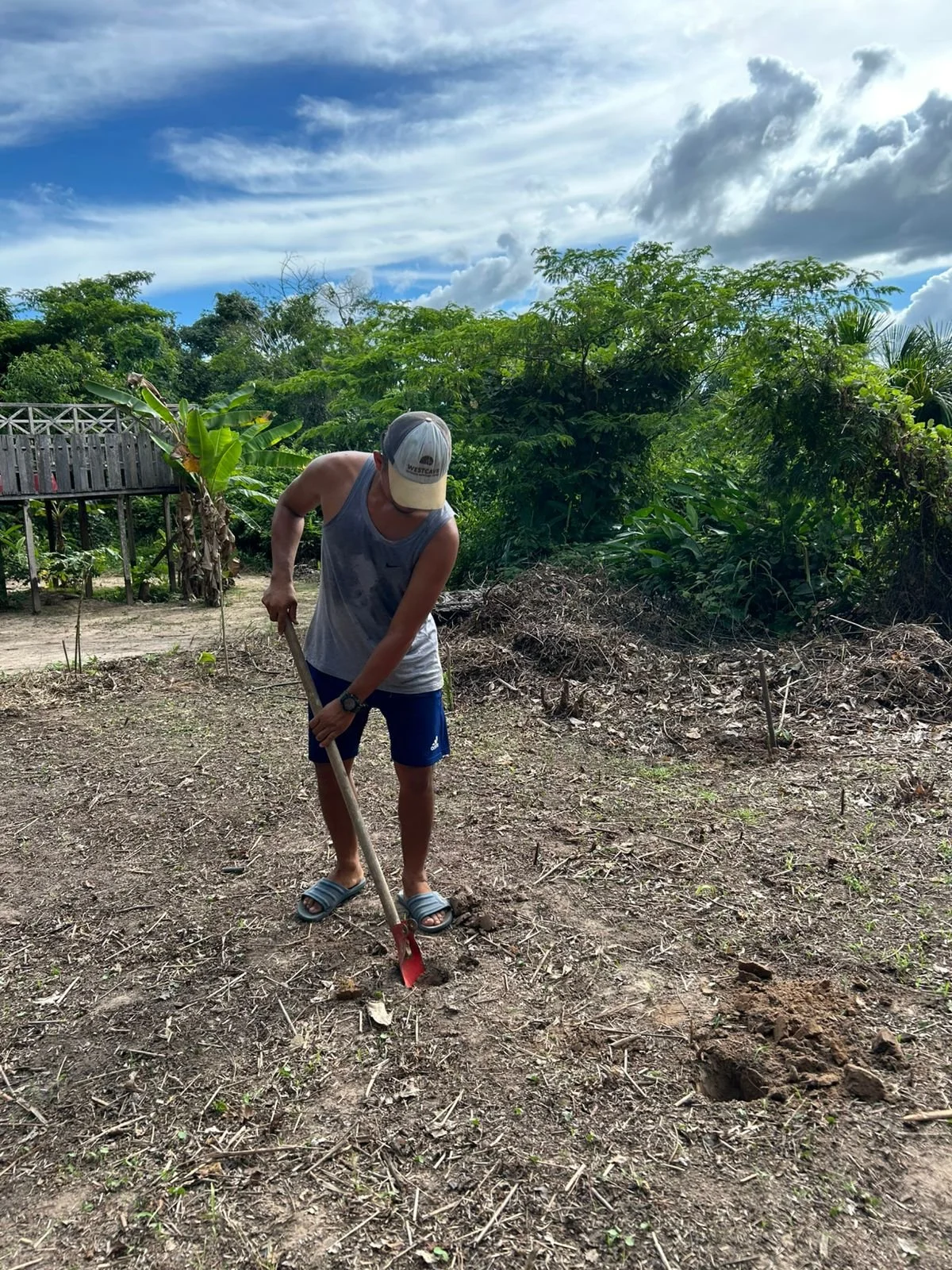
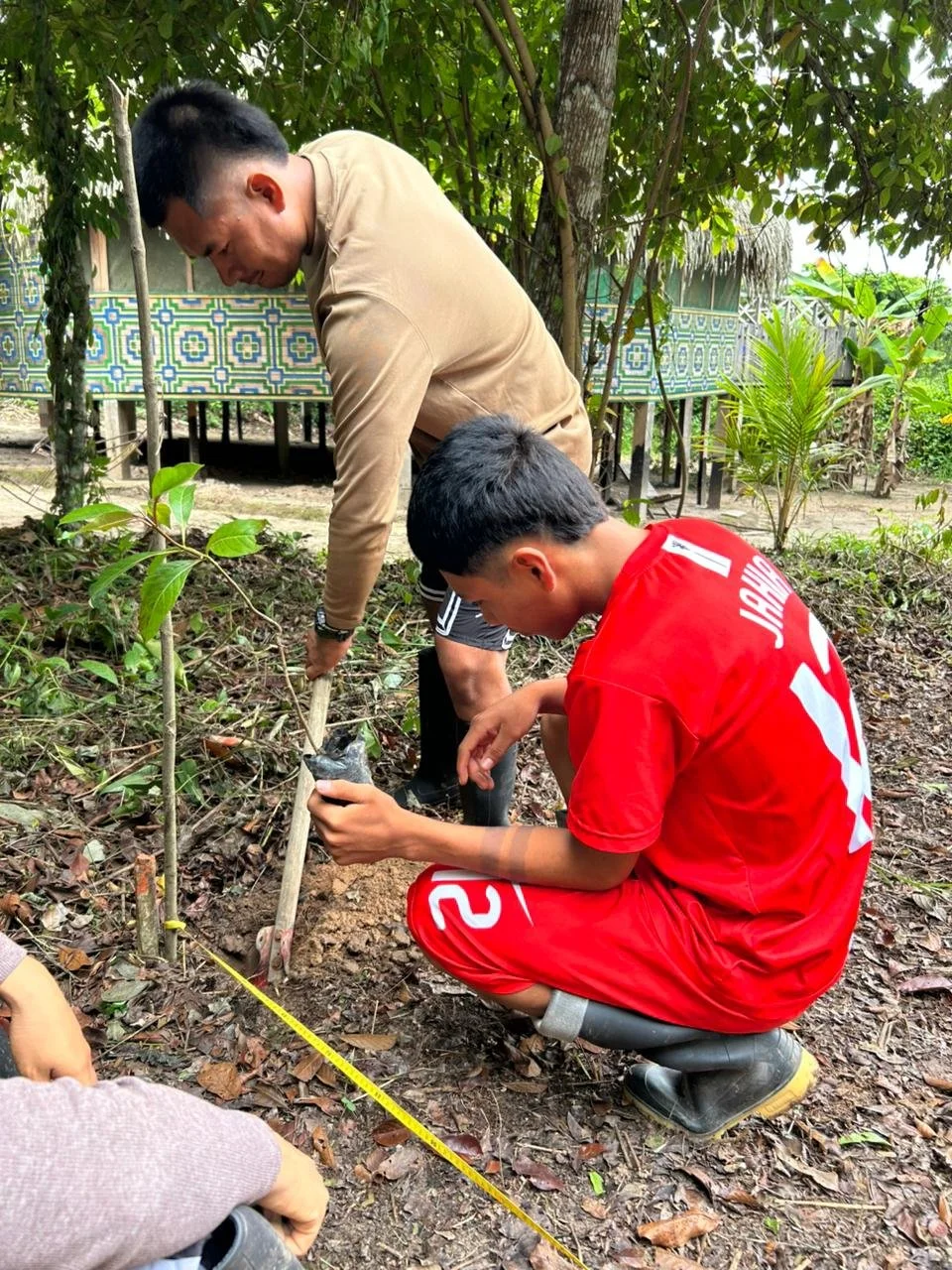
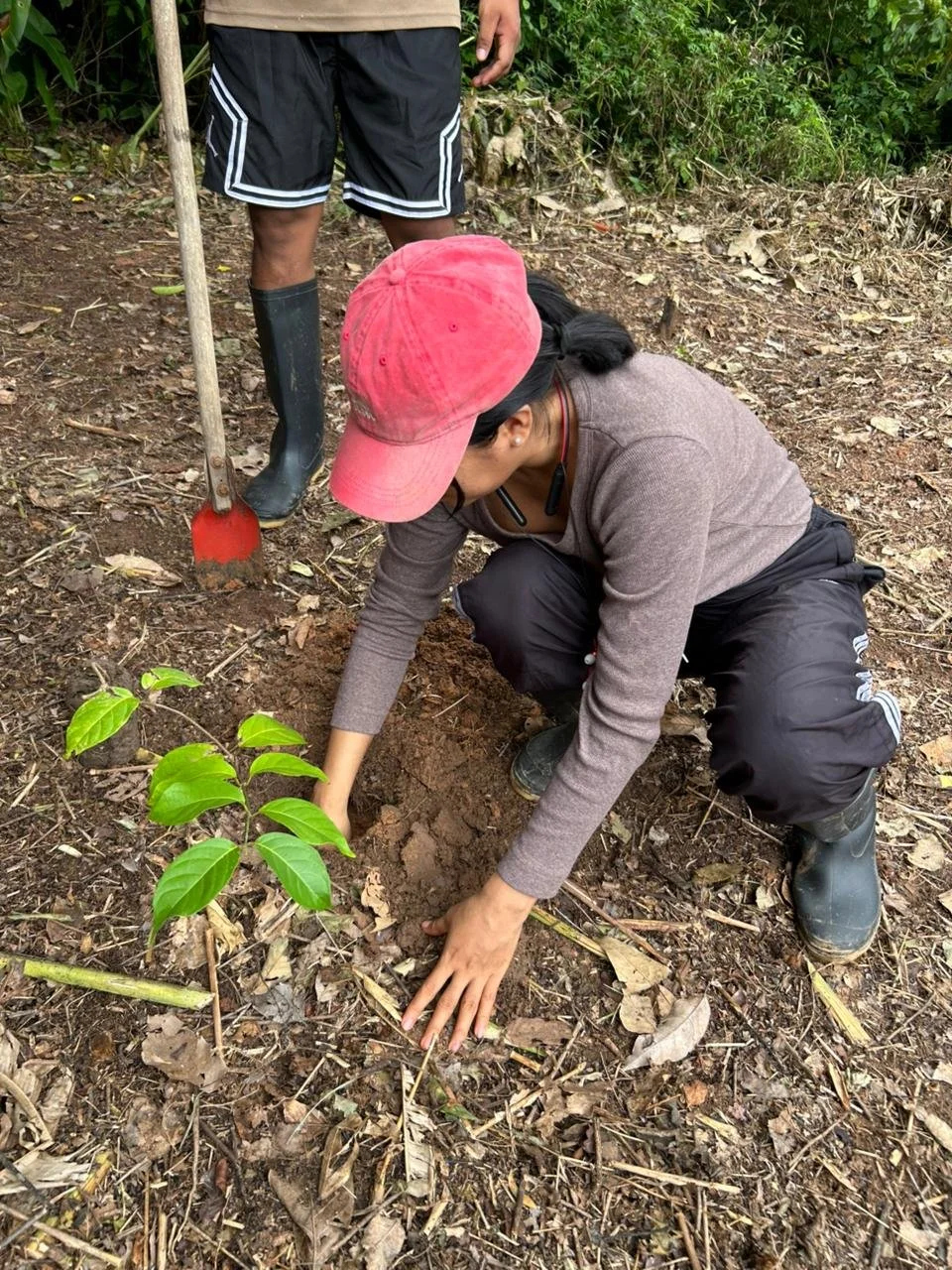
Inspired by their learning, students collaboratively established a dedicated medicinal plant garden, serving as a living classroom and a sustainable source of traditional remedies for the community.
Community Engagement & Outreach
Beyond academic and practical skills, students experienced personal healing and growth, utilizing traditional plant medicines to address health concerns and foster overall well-being.
Holistic Well-being
The program culminated in a public workshop, where students proudly presented their knowledge and creations to families and the wider community, sharing the fruits of their apprenticeship.
*
Thank you to the Center for Shamanic Education and Exchange (CSEE) for their partnership and foundational grant that helped make the debut Koshi Tapon program happen!
Their commitment to indigenous-led education is a cornerstone of this project's success.

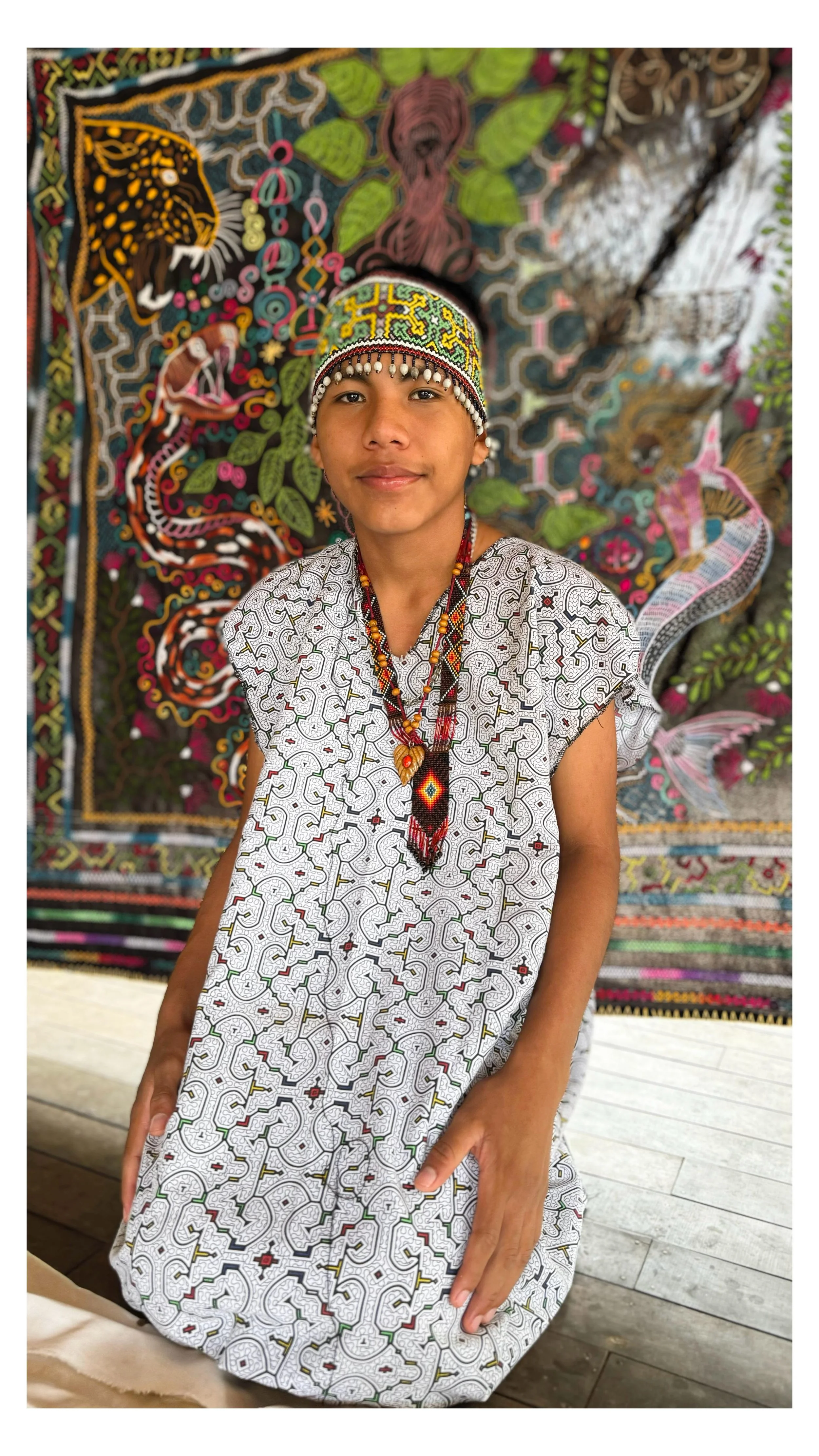
"It was the most beautiful experience I've had in my life. I am making the reality I was dreaming of: to be a teacher and a healer (Onanya), and in the future to help others with medicinal plants. We shouldn't lose our culture or our identity, or be ashamed to speak our language."
— Gustavo, Koshi Tapon Student

Weaving Ancient Wisdom with Modern Science:
The Coe Lab Collaboration
Pacha Nishi is proud to partner with the Coe Lab at Tarleton State University, led by Dr. Michael Coe, to integrate rigorous scientific methodologies with the profound insights of Shipibo traditional ecological knowledge. This collaboration embodies the principle of "Two-Eyed Seeing," where Western science humbly meets the wisdom of those who have lived with the forest for generations.
Key Areas of Synergy:
Sustainable Plant Medicine Research: The Coe Lab's research into the ecological and genetic impacts of níshi (ayahuasca) harvest directly informs Pacha Nishi's efforts to cultivate and utilize medicinal plants sustainably, ensuring their availability for future generations.
Ethnobotany and Applied Ecology: By combining ethnographic studies with plant population ecology, we gain a deeper understanding of how Shipibo communities have historically managed and conserved their natural resources, providing valuable data for broader conservation strategies.
Mentorship and Academic Pathways: This partnership creates unique opportunities for Indigenous students from the Amazon to pursue advanced academic degrees, bridging traditional knowledge with scientific expertise and empowering them as future leaders in conservation and cultural preservation.

Expanding Our Educational Reach
Building on the success of the pilot, Pacha Nishi is committed to growing our educational initiatives.
Increased Program Frequency: Offering multiple Koshi Tapon apprenticeships annually to meet the growing demand and interest among Shipibo youth.
Diverse Learning Modules: Developing specialized workshops focusing on various aspects of Shipibo culture, such as textile arts, oral histories, and advanced plant preparation techniques.
Developing the Koshi Tapon Garden: Transforming the student-initiated medicinal plant garden into a permanent educational hub and a sustainable source for community-produced traditional medicines.

Support the Future of Indigenous Wisdom
Your support is crucial in sustaining these vital educational initiatives. By donating to Pacha Nishi, you directly contribute to student scholarships, honorariums for teachers, and the resources needed to expand educational programs.
Help foster the next generation of Shipibo cultural guardians.